
“Back to School! Are you ready?”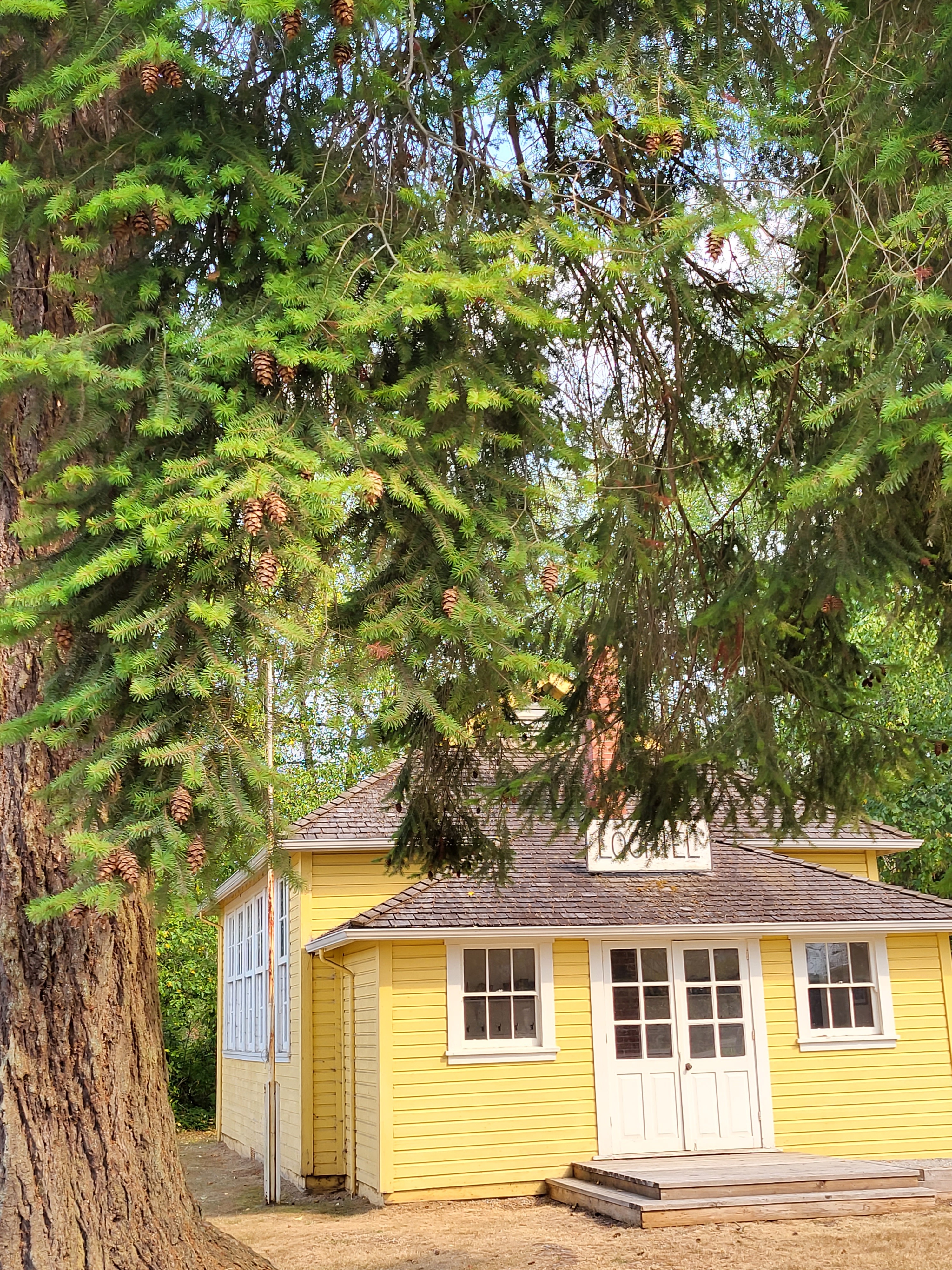
Whether you are a student, teacher, parent, or an adult remembering your own schooldays as well as observing culture today, which sensations does the phrase “Back to School” and the question of readiness arouse in you? Butterflies of anticipation? Maybe even rising anxiety? If you’re a teacher, you’re probably wondering what your new students will be like; and if you’re a student, you’re similarly wondering what your teachers will be like. If you’re a parent or grandparent, you’re probably aware of the shape of your prayers for your children. And whether you’re a teacher, a student, administrator, parent, grandparent, or mentor, do you anticipate the new school year to be “easy” or “hard”? Do the new challenges cause anxiety or do you welcome them? And if you prefer “easy” over “hard,” why? (Is anyone voting for “hard”? I could be wrong, but I imagine not.)
The question, “Why should school be easy?” in Madeleine L’Engle’s fantasy novel A Wind in the Door has stood out for me. When one of the main characters, Meg Murry, assumes that the Teacher, the angel Blajeny, has arrived solely to help her younger brother Charles Wallace with the problem of being bullied at school, Blajeny answers that this isn’t his problem. 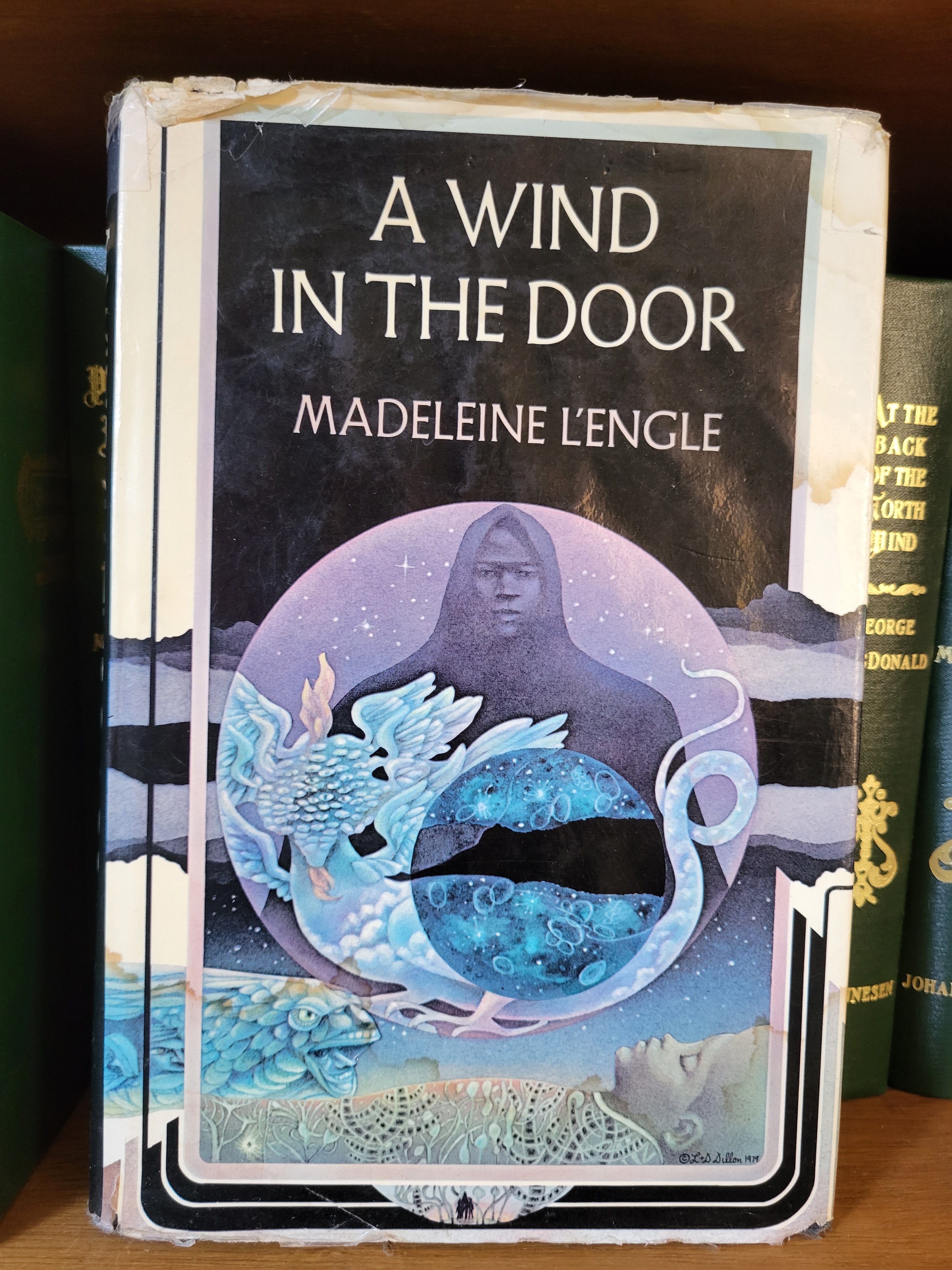 Then he adds with a laugh, “My dears, you must not take yourselves so seriously. Why should school be easy for Charles Wallace?” Taken out of the context of the story, Blajeny’s response might seem uncaring, even cold, and possibly dangerous. But it’s clear in the story that this is not the case. The fact is that Blajeny cannot make Charles Wallace’s problem disappear. There is no magic wand. But Charles Wallace is learning to adapt and defend himself, and the once ineffective school principal Mr. Jenkins grows in moral character to the point where he looks forward to dealing with the problems in his schoolhouse. Unlike Meg’s small view of what this Teacher’s purpose is, Blajeny has arrived for the far greater reason of guiding his students into discovering the nature of their battle against evil, and therefore for strengthening their readiness to meet it.
Fighting a battle against evil is neither easy nor fair. Preparation for fighting the battles of life cannot be easy because the battles are not fair. And so proper schooling can never be easy. Wanting what looks easy could well mean taking ourselves too seriously in the selfish sense, or not seriously enough in the visionary sense.
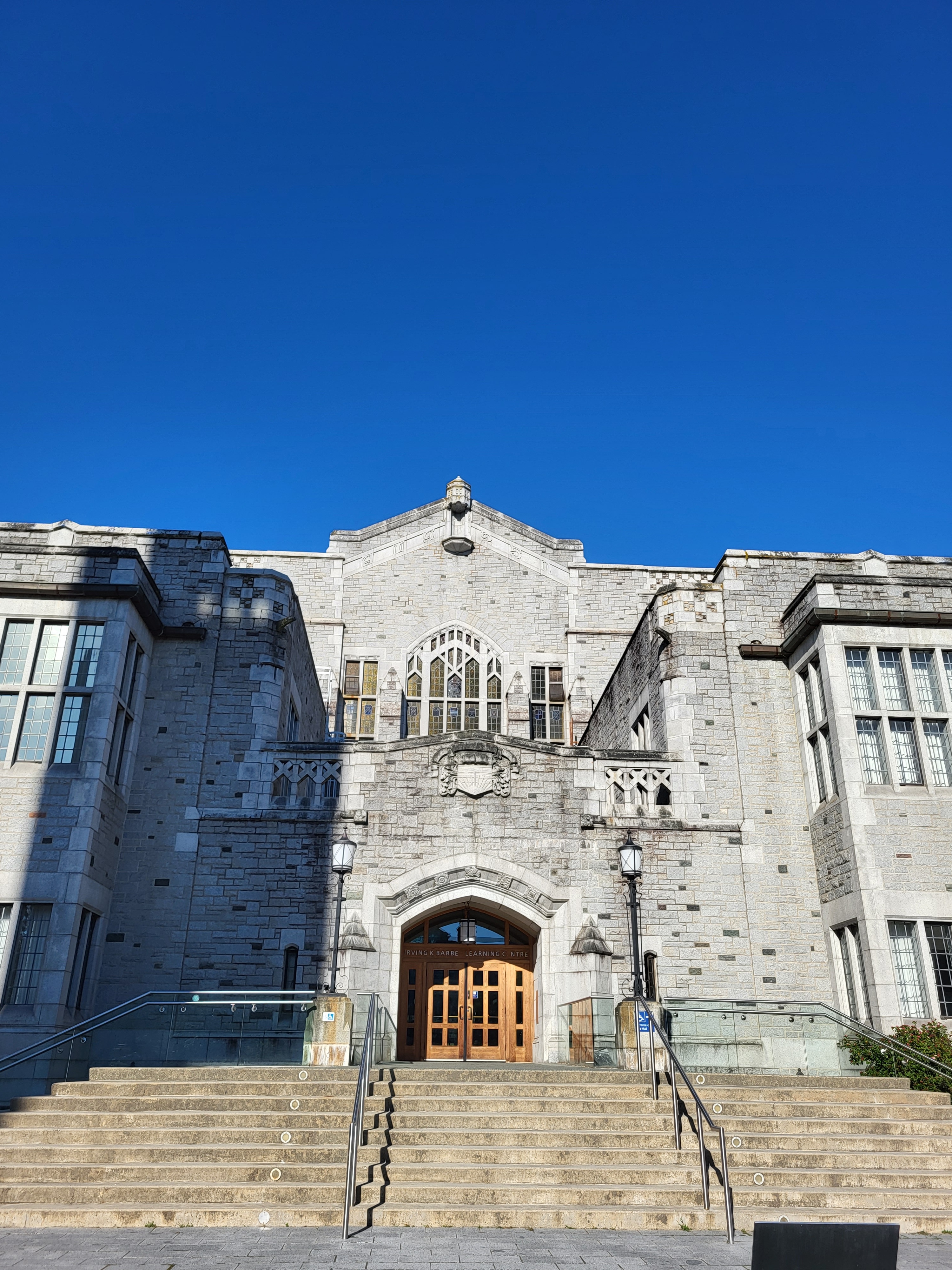 Now that school or college and university has begun for many of us, I am left pondering Blajeny’s core challenge again: “Why should school be easy?” If I vote for “easy,” what am I looking for and, if I got it, would that be good? If I vote for “hard,” what should that be and why might that be better? Obviously, these questions can take us in several directions—the topic is that important. But for today I’d like to focus on Blajeny’s challenge: school should not be easy.
If school should not be easy, and therefore should in some sense(s) be “hard,” how can we do this well? I shudder to think of needless pain that poor schooling can inflict on us, and I’m sure many of us can recall or know of damaging school stories. There’s much to be said about the topic of tender-hearted young souls eager to learn and flourish who then encounter cynicism, even cruelty, and begin to struggle with fear and anxiety. On a lighter note, but related, I recall the time when I taught a grade three creative writing class while I was teaching first year university English classes, and as I was thinking about the differences between my 8-year-olds and my 18-year-olds, I decided one day to ask my classes the same questions. Which students were eager? Which had the most inspiring answers? Yes, that’s right—the 8-year-olds. They were fresh and excited. They still believed they could learn. Around this time, I’d come across the curriculum thinker Dwayne E. Huebner’s book The Lure of the Transcendent in which he’d said (my paraphrase here) that the way schooling often happens has the effect of repressing the imagination of children by grade 5. It’s a sobering thought, one that we ought to wrestle with. And my experiment of asking the 8 and 18-year-olds the same questions seemed to affirm his point. Granted, other factors may have come into how my experiment worked out. Nonetheless, our task as educators, in every subject, is surely to inspire, to reawaken the imagination of all our students. Imagination, at core, is the ability to think otherwise and it involves the emotions. Another big topic.
This brings me back to my question, how can we do school that is “hard” and do it well? In life-giving ways? In the flurry of a new school year, in a world where the speed of change and often rising perplexities proliferate, where and how do we find our grounding? For me, words like excellence, freedom, and nurture readily come to mind.
First, excellence. Achieving excellence in any area is hard work. And in a culture where extensive leisure is deemed as the endgame, diligence isn’t terribly popular. Entitlement thinking comes into play too. “Things shouldn’t be so hard,” we might be tempted to say. And we’re all prone to sloth, especially laziness of mind. Thinking is hard work; it’s so much easier to trade in excellence for ease and conformity. Then distractions abound, pleasant and unpleasant. That “perfect time” in which to do something especially well hardly ever comes, or maybe never. Instead, we find ourselves striving for excellence against the wind, a fact that can certainly make us stronger if we persist. And we do it because excellence matters. Who wants a C+ surgeon, car mechanic, or performing artist? Products that malfunction and nobody knows how to fix? Mediocrity is everyone’s enemy just as excellence is everyone’s friend—or shall we say, true friend. School cannot be easy because life isn’t easy, and we need everyone’s skills applied wholeheartedly to rise to the challenges that fly our way. Excellence comes down to vocation, one’s calling in which we give back to the world the best that we have to give. Everyone is valuable; everyone is needed; everyone has a special part to play in the big drama of life. Who we are, who we become, and what we do matters.
Second, freedom. This likely isn’t the first word that we associate with a new school year. Perhaps these opposite words come to mind: ending, limitation, burdensome, even enslavement? In my blog “Summer Children” I wrote, “Summer can seem like a kingdom that should never end.” But freedom isn’t the same as leisure. Freedom, liberty of spirit, is fostered in the context of an education informed by moral wisdom. That takes work as well as courage. Historically, throughout Western thought, the highest purpose of education, broadly speaking, was to educate for virtue. To do this meant to cultivate strong critical thinkers: people who can think outside the box, who can innovate, who can discern error and point to truth. This came from a shared understanding that truth is an objective, unchanging standard. In the words of Jesus Christ, “the truth will set you free” (John 8:32). This quest for truth is the prerequisite to freedom. The question then becomes, how badly do we want truth? And freedom?
 In his essay “Learning in War-time,” C. S. Lewis compares the educated person to the well-travelled one. He writes, “A man who has lived in many places is not likely to be deceived by the local errors of his native village: the scholar has lived in many times and is therefore in some degree immune from the great cataract of nonsense that pours from the press and the microphone of his own age.” Lewis, like others, was worried about the outcome of modern education based on moral relativism. Unlike the old idea of education founded on objective moral truth which is the basis for our freedom and intrinsic human worth, summed up nicely in the phrase “Veritas, Libertas, Humanitas”— Latin for “Truth, Liberty, Humanity”—a modern idea of education founded on moral relativism is the soil for enslavement and dehumanization. Lewis argues that moral relativism not only leads to inferior learning but opens the door to elite controllers who will work to reshape the masses to conform, and so enslave, to the agenda of their era. (See his book The Abolition of Man. Michael Ward’s commentary book After Humanity is a helpful guide here
 .) Does this sound like an overly harsh judgment on much of modern education? Maybe, or maybe not?
Third, nurture. Who was your favourite teacher(s)? My favourite teachers and professors believed in us. They had high standards and they worked hard to help us reach them. They had a passion for their subject and its relevance. They believed we had a hope and a future. They did all these things in spite of our weaknesses and failures and in spite of the climate of the times. They cared about us. Yes, the very best teachers loved us. Can you really teach your students without love? I don’t think so, not if educating the whole person for life matters to us. The examples of our best educators continue to inspire, console, and strengthen us on our life’s journey. They passed on the baton so that we can run our race to the best of our ability—to do the things that God has placed us on this good earth to do.
The character Blajeny’s question in L’Engle’s A Wind in the Door, “Why should school be easy?” continues to challenge me. While I might opt for ease as a default response, I know that growth for myself and my students, intellectually and morally, means willingness for education to be harder rather than easier. Like Meg and the other protagonists in this novel, I continue to learn that we journey best in a community that honours excellence, freedom, and nurture, to name a few things.
Am I ready for school? Do I want it to be “easy” or “hard”? I’d say I want the ease of deep peace in the midst of much that can be and will be hard. And I want to agree to undergo what is hard for the sake of what is better, and ultimately best. Right now, at this new beginning, butterflies and all, I’ll just say, “I am here. I want to be present to my students and colleagues. And I do not journey alone.” 
Thanks for reading, for listening!
You can order your copy of Letters to Annie at Amazon, FriesenPress, or through your local bookstore.
Sign up to receive my blogs at https://monikahilder.com/
Follow me on Social Media:
Watch for my winter blog in December: “A Guest on Planet Earth.”


 The everlasting country where the old are young again and where it is impossible to experience fatigue, fear, or sorrow. Where all is well again, where the best of each country lives, and where our stories will truly begin. With others, I long for this Great Beginning, the New Day. Meanwhile, with others, I cherish memories and glimpse new pictures of summer that warm my heart:
 And on some magical late May or early June evening, when at the 49th parallel the setting sun in the northwest shines with elvish beauty through the leafy green just so, there the blue irises at the entrance to our herb garden reign supreme. Shining sentries, serene, in salute to every good thing.
 They testify of family—past, present, and future—planted on the soil of good fatherhood (and motherhood). They signal Heavenly Joy, cheering us on. Danke, Papa, danke.
 and caring for his family, friends, younger ones he mentored, and others all his days. In track and field, he loved the 100 meter dash best. But in life, I’d say he was the long distance runner. You could see that he had his eye on the goal, and in his heart what mattered most in this life and for all eternity. Dad embodied what it means to be faithful to God and good to man. I owe him (and my dear mother) much, much, much.
 and because, first and foremost, we have Our Father, who art in Heaven. . . . Every image of good fatherhood is a reflection of The Heavenly Father’s heart. In the words that have been attributed to George MacDonald, that I can’t now locate, “This is and has been the Father’s work from the beginning–to bring us into the home of his heart.”
 You can order your copy of
  If you have more than one hometown, or maybe even had to flee yours, what stands out for you? What special things has your hometown blessed you with (even the unpleasant or very hard things) that have shaped you?
 A lot of people move here but some of us get to be born here (sorry, yeah, that’s the ingrained Vancouver pride, or snobbery—take your pick—we never seem to get over it). The mountains, the ocean, the forests—well, it’s a supremely beautiful setting. Even the coastal rain is worth it, we say (most times)—liquid sunshine, right? After a long journey from the Old World in the wake of war trauma, this lovely city-by-the-sea is where my family planted their flag.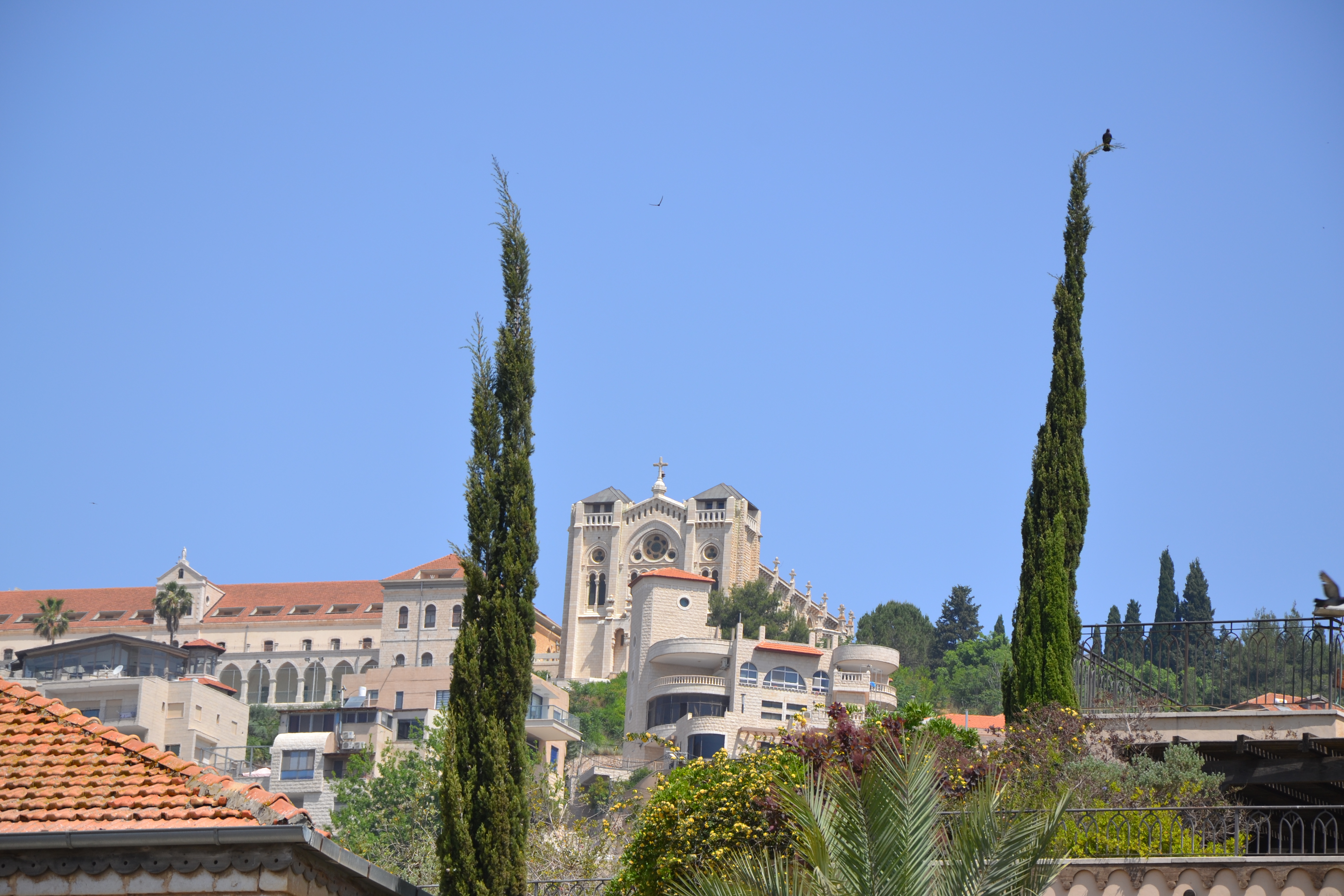


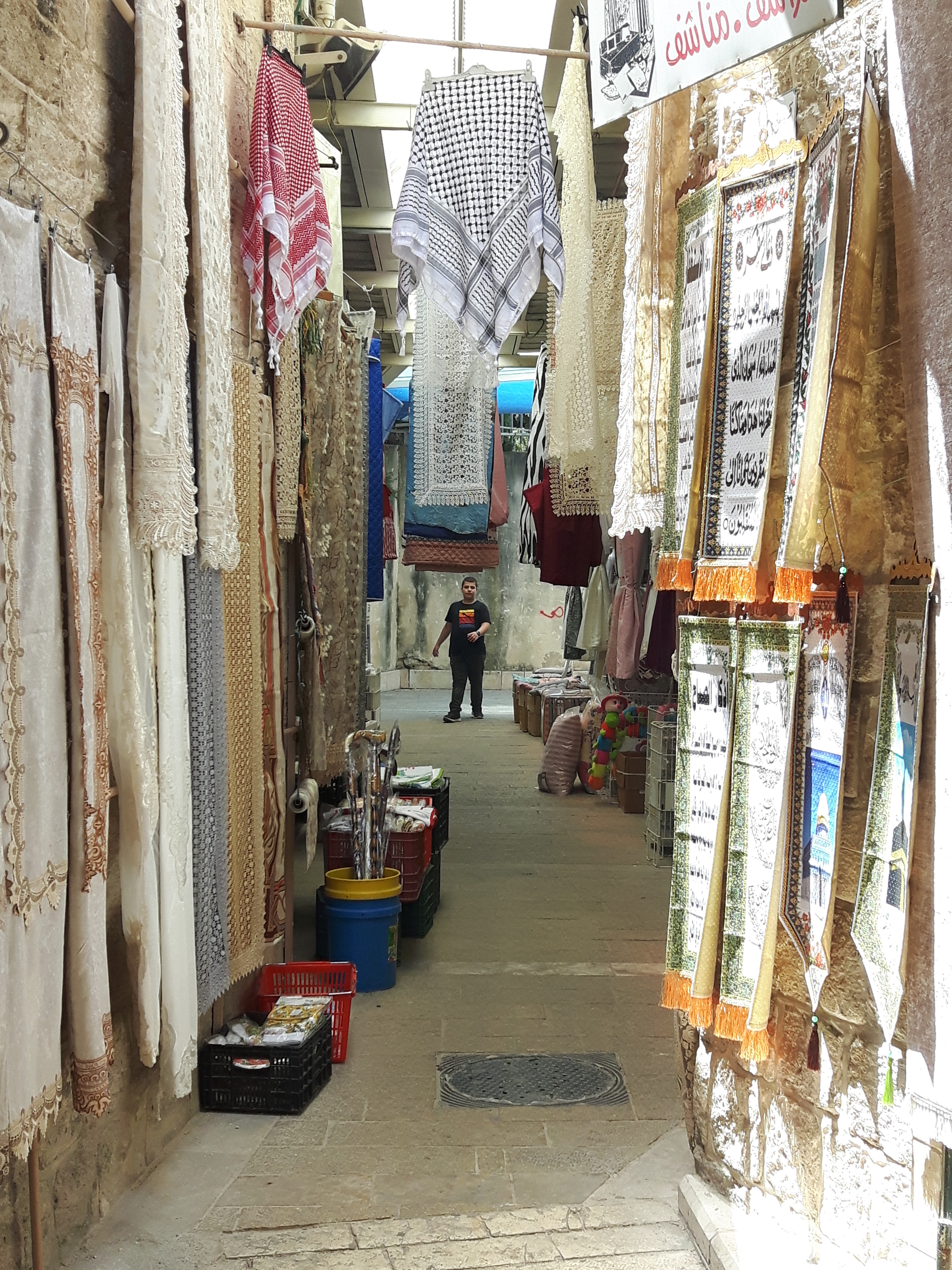
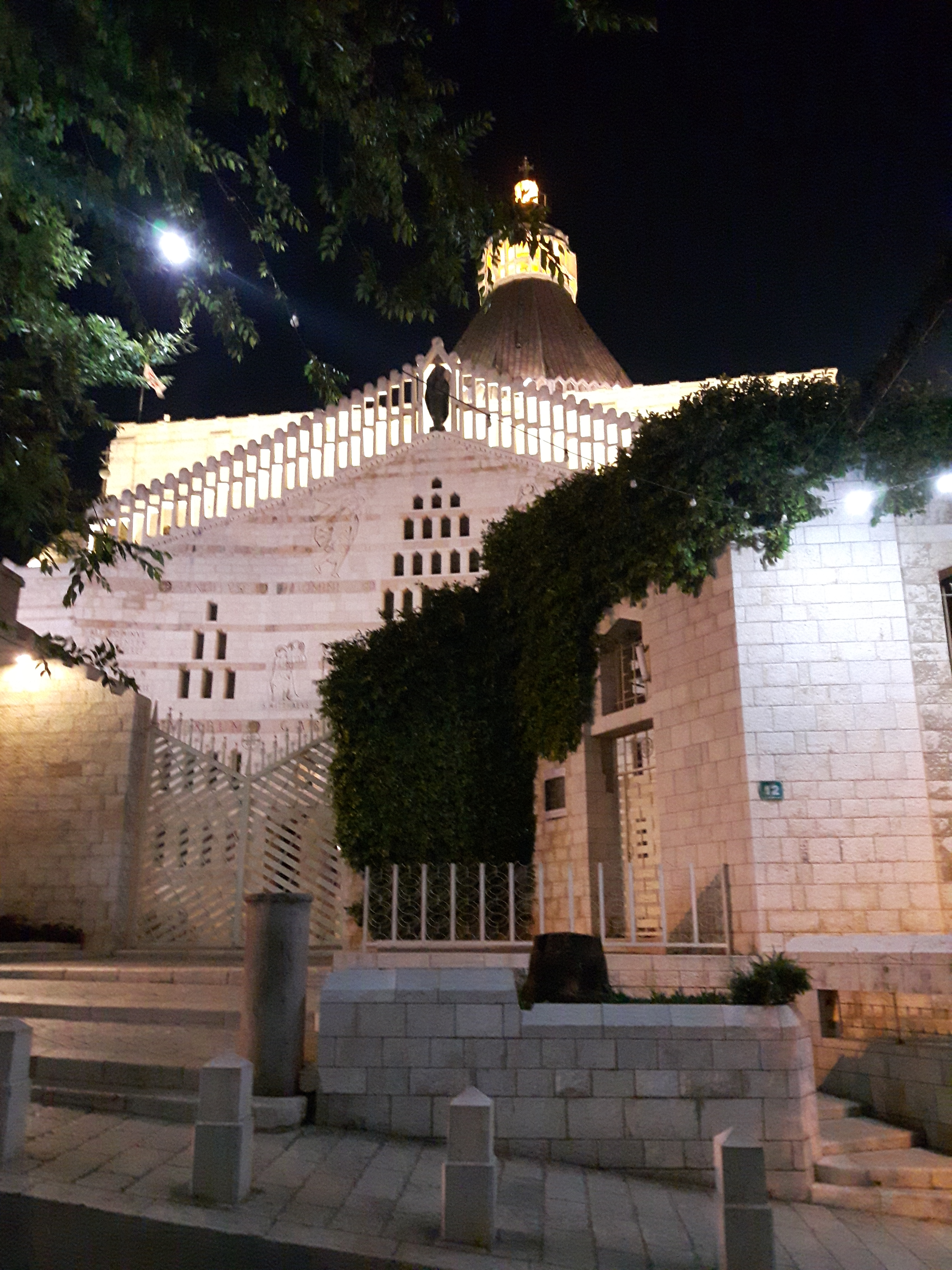
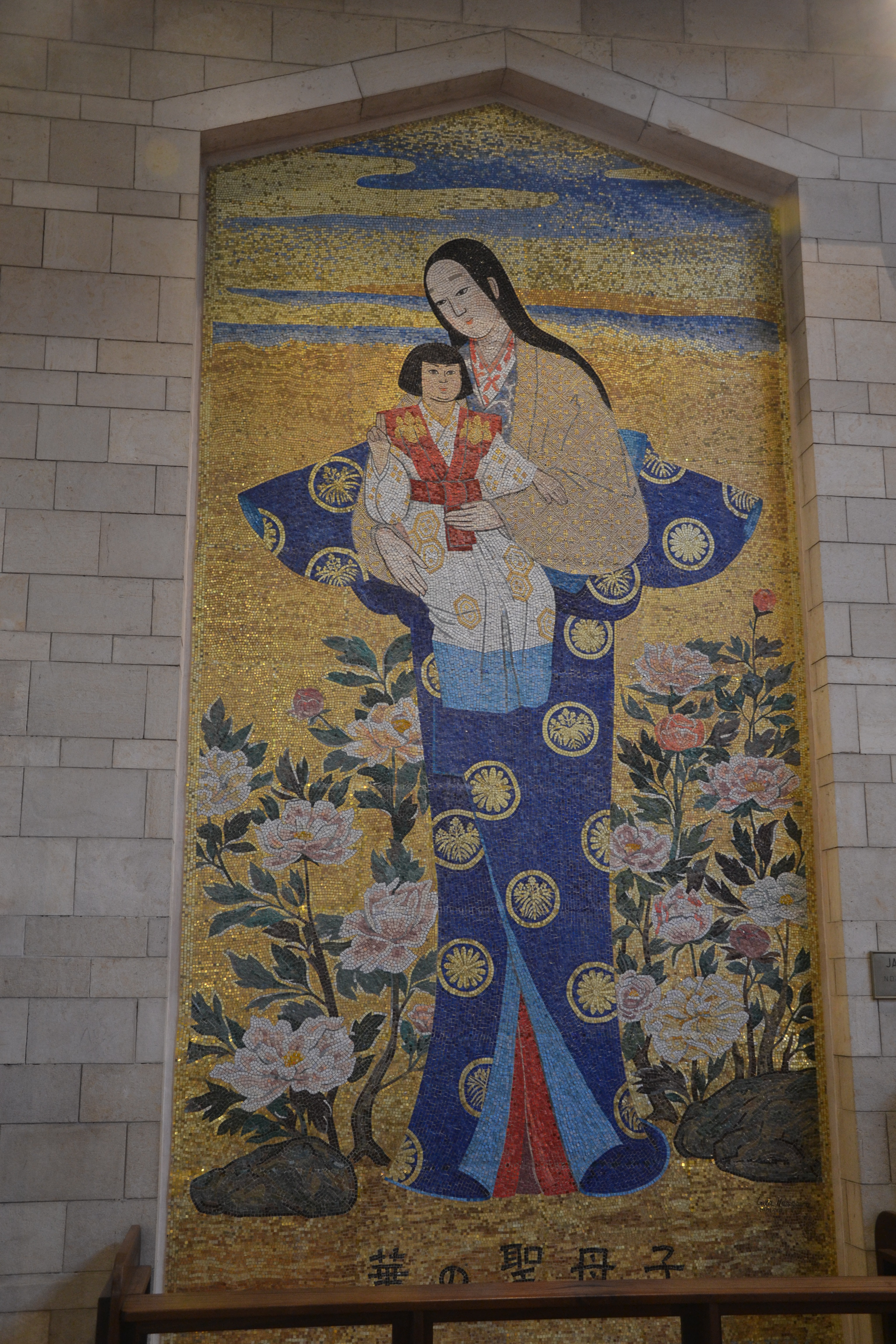


 Thanks for reading, for listening!
 Or is all grief horrid, unholy, the pain we cannot welcome? Then again, is holy grief the only kind of grief, the right kind—the other kind of grief is . . . is what? Can someone tell me what unholy grief would be? I have my moments when the thought that any kind of grief could be thought unholy startles me, even strikes me as wrong.
 As the well-worn cover of my copy of C. S. Lewis’s The Problem of Pain testifies to, besides the Psalms, the Book of Job, Lamentations, and other books in the Bible, this is one of my go-to books when it comes to grief. I go to The Problem of Pain because its author gives no pat answers, no quick consolatory phrases, nothing that minimizes one’s experience. And I go to this book because the author openly declares his own inadequacy for addressing the subject. (When empathy seems lacking, “good advice” feels empty, even rude, doesn’t it?) In his Preface Lewis speaks of the irony of him having written a book on this subject. The disconnect between what he believed about pain and what he felt about pain was such that he wished that he could have published the book anonymously. To which his editor responded that he could explain to readers that he “did not live up to [his] own principles!” While Lewis was willing to speak to the intellectual problem of pain for about 140 pages, he didn’t for a moment feel qualified to teach the necessary “fortitude and patience” when facing pain—and this is what makes him such an authentic fellow pilgrim to have at your side. I applaud his words here: “. . . nor have I anything to offer my readers except my conviction that when pain is to be borne, a little courage helps more than much knowledge, a little human sympathy more than much courage, and the least tincture of the love of God more than all.”
 My own grief over the passing of our colleague Chris resulted in the essay, “A Holy Grief: The Pilgrim’s Path to Consolation.” The essay begins like this:
 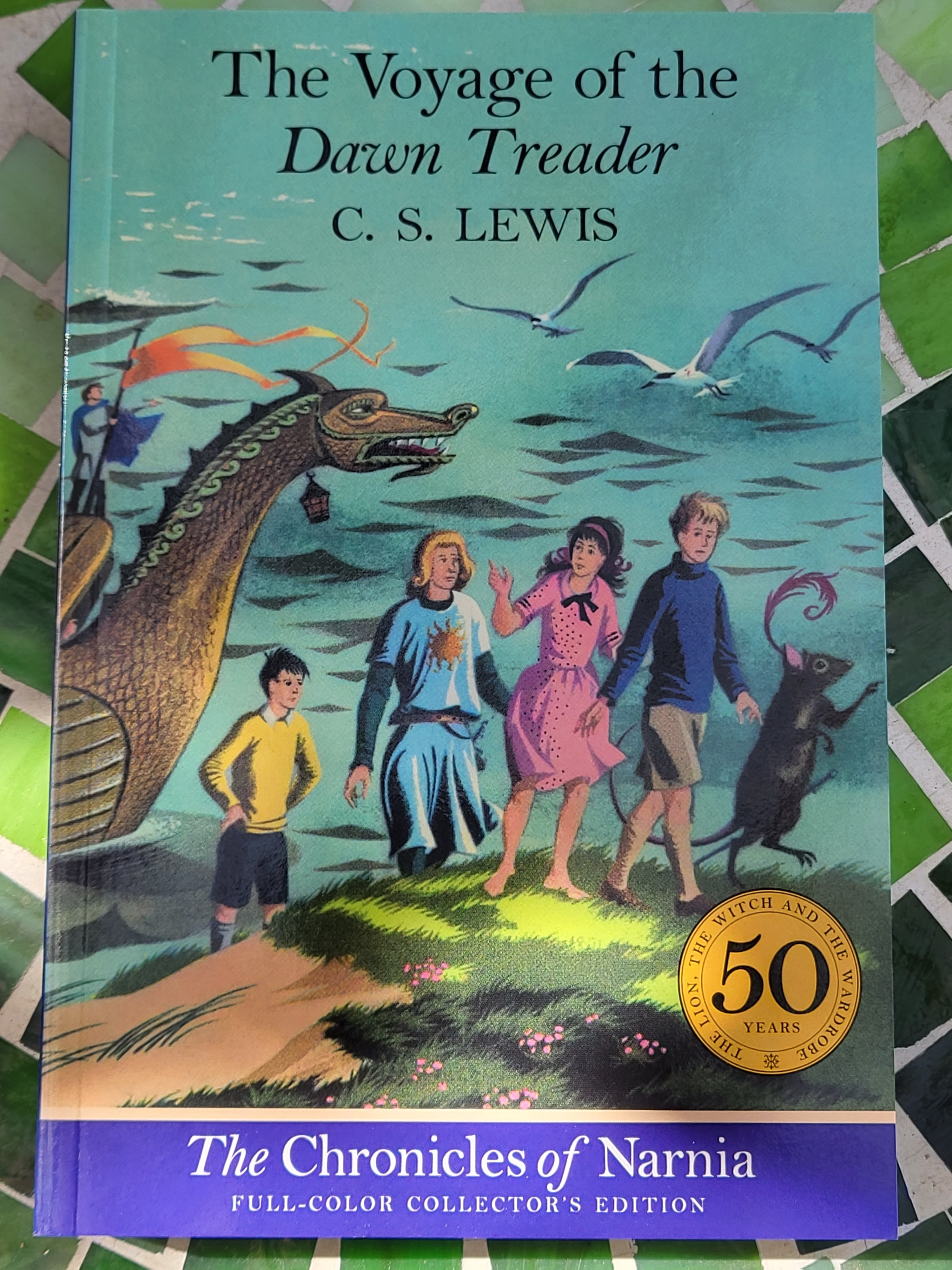 Extreme angst, even despair, looms before each one. But Lucy responds to fear with prayer, and little by little, while the darkness is just as thick as ever, she begins to feel a bit better. Then the light grows, the albatross in a voice that sounds like Aslan’s whispers, “Courage, dear heart,” and after a while they are once again in full sunlight. Once again it is clear that Heaven is the one true help. Fear, even debilitating fear, is real, but does not have the final say when we exercise the faintest glimmer of hope—or, as in this case, someone else exercises it on everyone’s behalf. To stick with the boating metaphor,
 I’d like to draw your attention to a marvellous reflection featuring our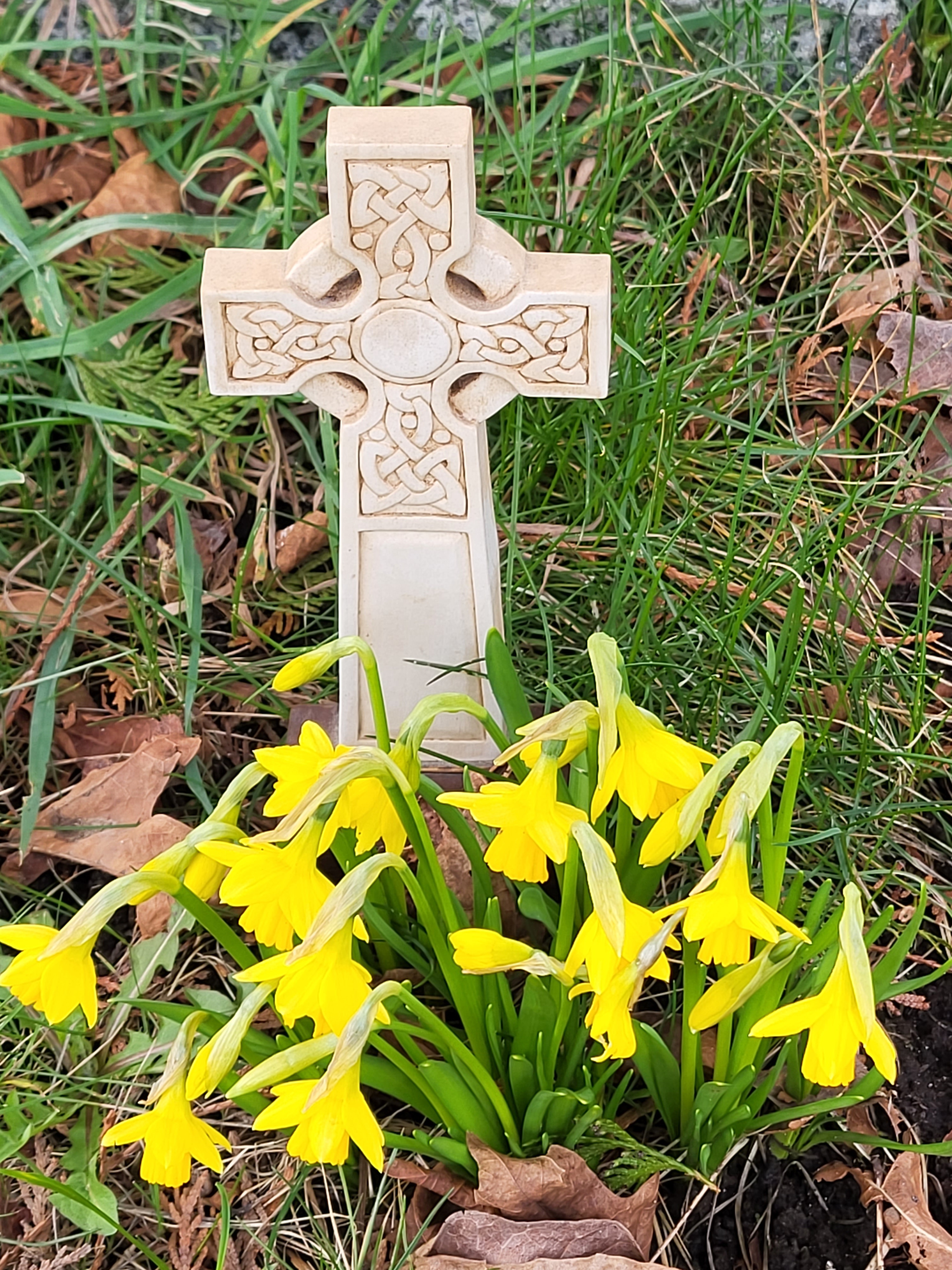
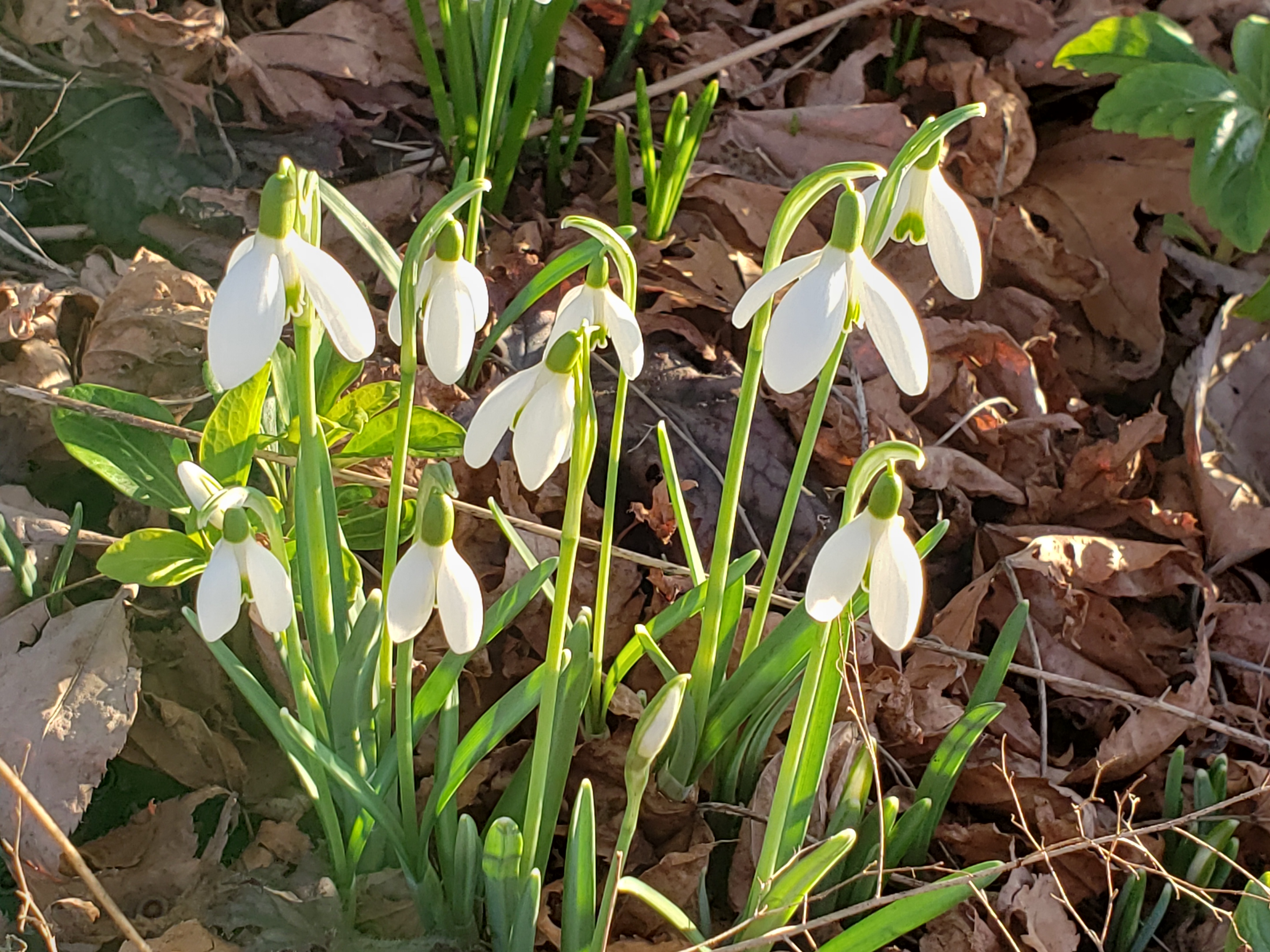
 and green stems make bold promises to become daffodils and tulips in the coming weeks. But the days are often grey, and a surprise snowfall, rare, is almost, dare I say it, fun? Be careful what you wish for! I will say this: it’s certainly brighter.
 that invite greater numbers of eagles to soar on the updraft and flocks of smaller birds to huddle together as they ride the waves in community. Glide, ride–this is how to take in stormier weather. Perhaps the shorebirds can teach me a thing or two about beauty in the waiting.
 Absolutely: “Even youths grow tired and weary. . . .” And beware: with this season of fatigue they say the rates of depression and anxiety peak. Then, in these last couple of years especially, how often have you heard people say, “Everyone is so tired, so tired.” How often have you noticed a kind of exhaustion, physical and otherwise, in yourself and others? So, yeah, spring fatigue is a thing—and then some with cumulating fatigue.
 In our world where dark forces flex their muscles, where natural disasters shake the planet, having something of this “passion of patience” seems to be the best response. So maybe let’s consider enduring seasonal fatigue with this kind of patience that is not exactly lethargy (or not lethargy at all, regardless of our tiredness) but is carried by a distinctive energy—not enormous energy, not yet anyway, but a quiet willingness to expect energy to revive us. Then we can venture to face fatigue in a quiet hope. Instead of succumbing to depression and anxiety, we might journey along in the expectation of hope that is yet to be fulfilled. And with such a quiet hope in the not-yet-but-still-to-be comes the faint stirrings of surprising joy.
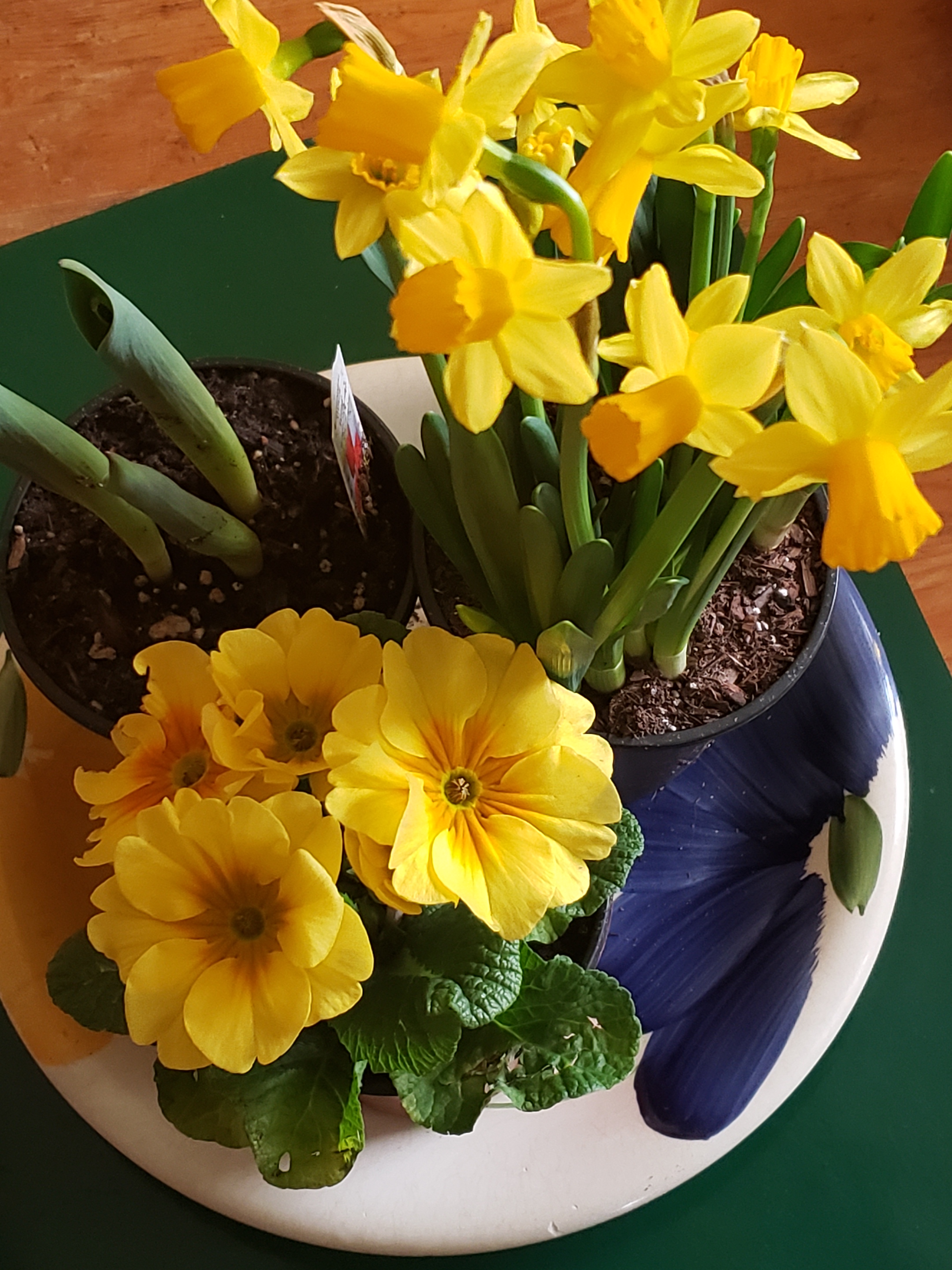 me. And, last but not least, let’s allow ourselves to rest, to pace ourselves. We have it on the best authority: take one day at a time (Matthew 6:34).
 Early February has me eyeing my heart-shaped cake pans and wondering if a fluffy white angel food cake baked with coloured sprinkles and, naturally, adorned with pink icing, will crown the evening. And what about heart-shaped cookies again? My sweet tooth still delights in cinnamon hearts.
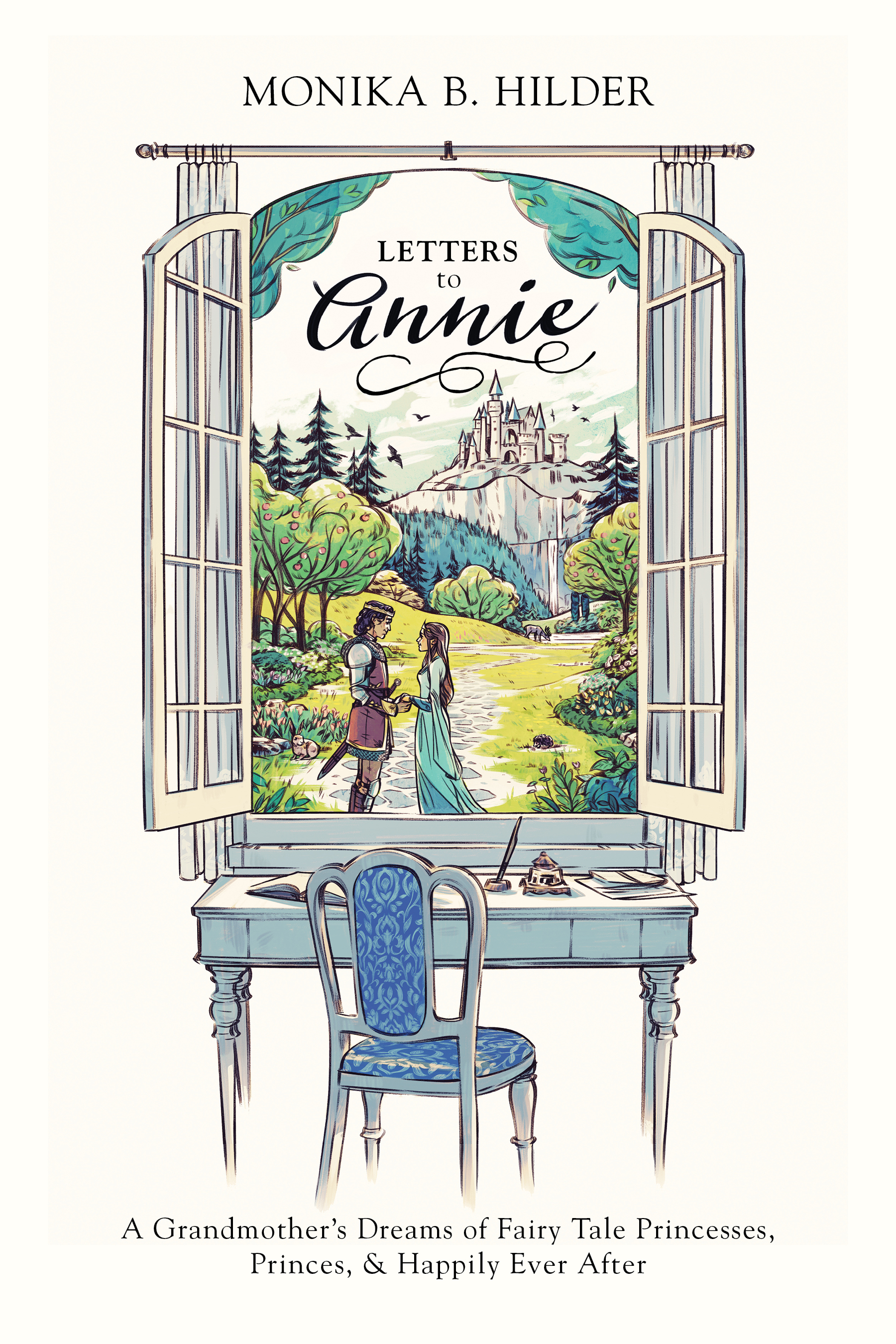 I explore the wealth that fairy tales offer for our life’s journey, and also consider the ways in which we might misread them. It’s written for anyone who loves fairy tales but also has questions and concerns over them. Are they good? Or are they bad? Do we even need them? And just what is “happily ever after”? In this book I follow the story of a grandmother writing to her granddaughter Annie for the first twenty-five years of her life in which they explore these treasured stories. Rather than giving readers false expectations of life, how do these stories leave us richer and more able to navigate the challenges, sorrows, and joys of life with wisdom, courage, and love?
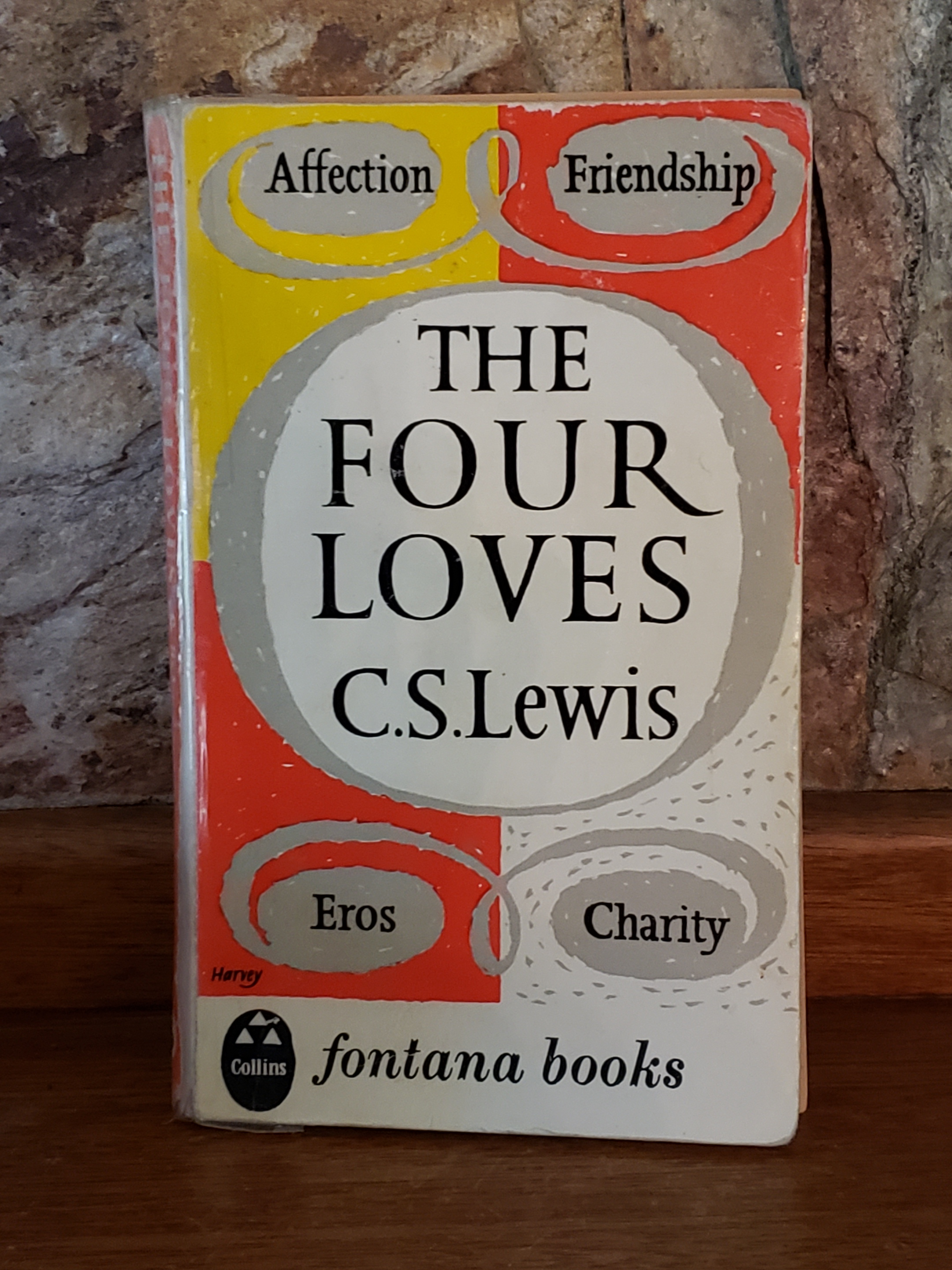 This Valentine’s Day—and indeed, this month of February, being heart month—my hope for myself and my readers is that we can ponder the ways in which we can celebrate love. Maybe consider how our lives might become like a love letter to others. Think more about the different human loves—affection, friendship, romantic love—and like C. S. Lewis in The Four Loves, ponder that in our brokenness each of the human loves must become transformed by the fourth love, God’s love, charity, in order to become ever more true. It’s a journey.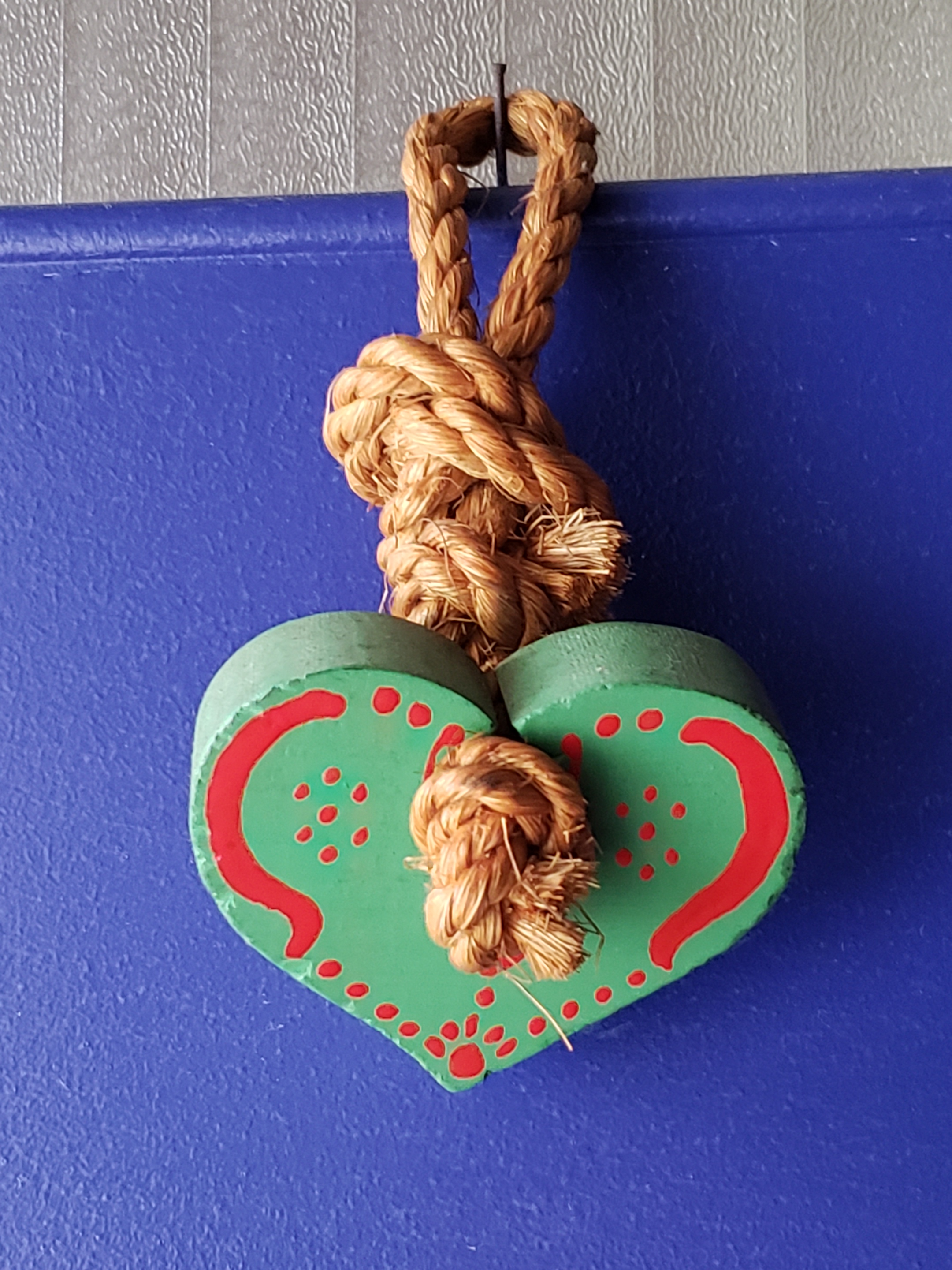
 January: A new number on the calendar, another opportunity for those New Year’s resolutions. But sometimes the December festivities leave us a tad tired (and that’s a polite way of putting it). Maybe the Christmas tree is still up. If Christmas was a good season, it really is a sweet reminder, too precious to take down quickly. (I don’t understand those Christmas tree burnings that are scheduled even before Epiphany, January 6, the coming of the magi, when in some traditions Christmas is celebrated. February, is it, the right time to consider taking down the tree?) The tree needles still look pretty good, right? Even though we’re after solstice, the lights and decorations console during these dark days. Perhaps keeping the tree up a little longer acts as a bit of a safeguard against the midwinter blues that could be just around the corner—maybe. Couldn’t hurt.
 But in this state, where we presumably do not lie to ourselves about our unpleasant feelings, neither do we get closer to love. Nothing is solved, not yet. Nor are we being terribly truthful, because resentment has the power to become a broken record, replaying over and over, crowding out the fact that our hurt feelings are only one piece of a very big story, a story that could have the most excellent outcome if we would only let Grace have its way with us.
 Only then can we rid ourselves of those toxic thoughts, the clinging resentments. Do it seventy times seven, as Jesus said (Matthew 18:22), meaning without number, every time we need to. Yes, we will need to, again and again. But then maybe we are helped in knowing how seriously we need forgiveness ourselves?
 If you haven’t heard this before, or would just like to hear it again, here’s the link:
 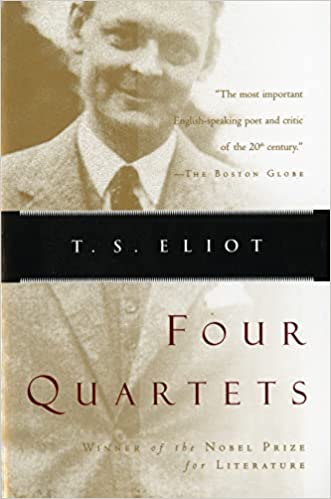 How counter-intuitive to resentment: the humility needed to forgive is in fact “the mightiest sword.” Humility: as T.S. Eliot writes in Four Quartets, “The only wisdom we can hope to acquire / Is the wisdom of humility: humility is endless” (“East Coker,” ll. 97-98).
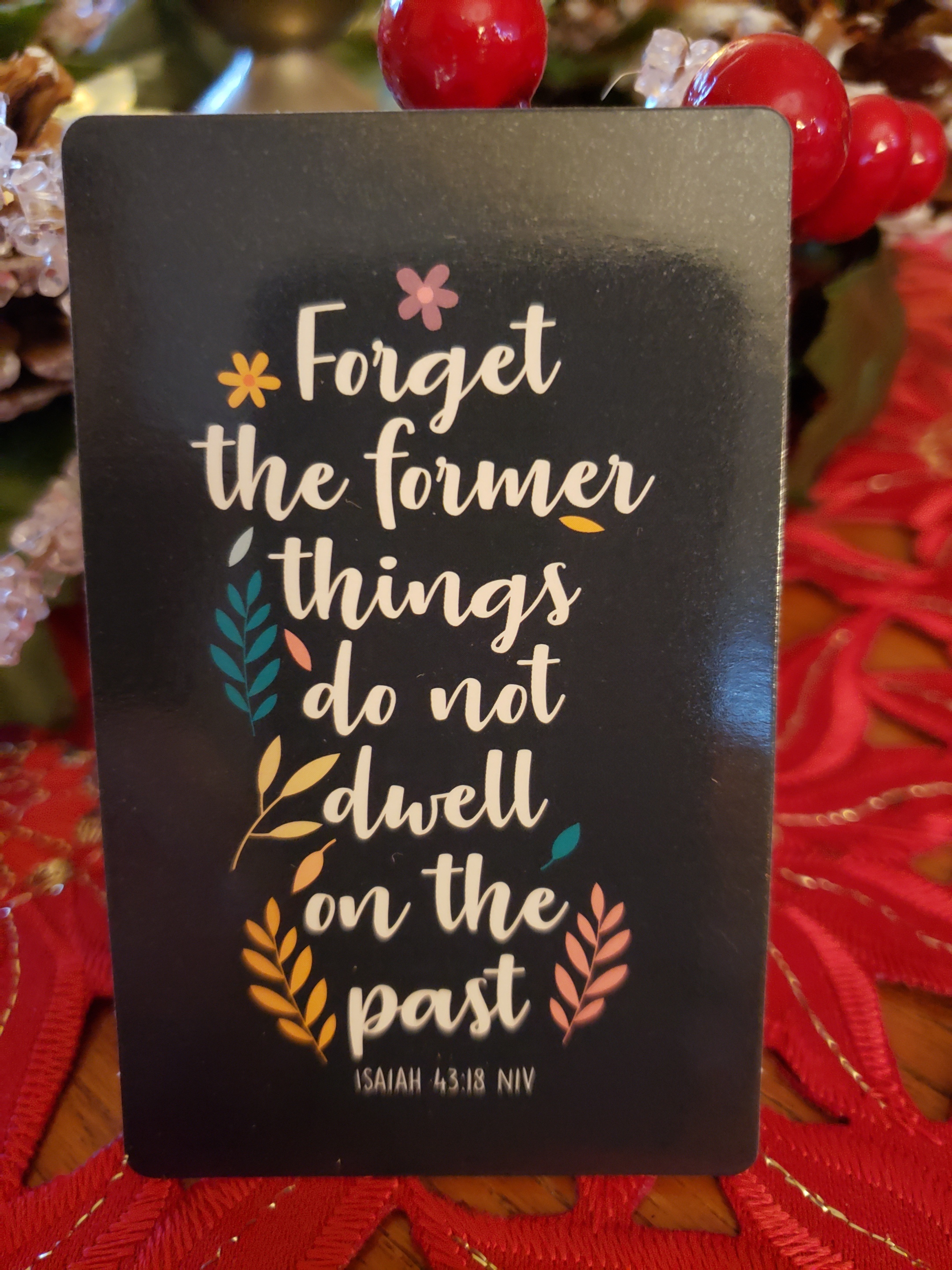 Don’t dwell on the past sorrows because God is doing a new thing, making a way where there formerly was no way, a way that leads to life (Isaiah 43:18-21).
 I come from people who made paper stars for Christmas. They made them in their native Poland, and when their pilgrimage took them to Canada’s West Coast where I was born, they were still making them. And here my parents taught my siblings and me to make them.
 Their beauty, simple yet elusive, is a testimony to faith and love, to courage in uncertainty, and to lasting goodness. They are a small reminder of the homeland I never knew but have since happily visited, and to the meaning of homeland as we are pilgrims at various stations. They speak to me still of the meaning of Advent and Christmas when we would be making these paper stars.
 A marvel, this shining magnificence made by loving hands and a joyous heart. How its humble quadrangular form held the beginnings of splendour spoke volumes: a sign of family, of homeland in the heart across the globe, and of the meaning of the Christmas miracle wherever we find ourselves to be. Christ has come, and He is coming back. There is no loneliness that He cannot fill, no sorrow that He cannot redeem.


 Here’s how. The awareness that opportunity doesn’t come around the same way again heightens our sense of the preciousness of our days. Just as C. S. Lewis has said, “There are no ordinary people” (“The Weight of Glory”), we’d have to likewise add, “There are no ordinary days.” Each day is a unique gift, bringing not only its unique challenges but also its unique blessings. Let’s not waste the day on trivia. Let’s guard against toxic ideas, emotions, and actions. In other words, writing toward one’s own death, which is really living toward one’s own death, means we’re more prone to choosing wisely with the result that we’re better able to transform from being static people for whom seemingly little can change to becoming dynamic people who initiate change. We become increasingly present to the moment, and therefore living our lives to the fullest. The awareness of living toward one’s death (with the emphasis on living) acts like a magnifying glass revealing noteworthy details. Or like a crucible in which the various particulars of our lives undergo yet higher pressure, often painful at the time, but resulting in a new creation.
 Monika Hilder