
In this season of Lent when Christians focus in a particular way on the sufferings of Christ for the salvation of humanity, I was getting ready to write my next blog on our reason for hope. Meanwhile the COVID-19 virus was declared a pandemic and in the escalating response to this crisis, my planned meditation on hope grew—but more slowly as I navigated the new demands placed on me. Like professors everywhere, I was learning to teach online video classes and answering many more emails. I was taking care of my own health as the weight of our situation increased. I was processing the emptying shelves in supermarkets, the palpable fear in many faces. I wasn’t surprised one evening when I couldn’t buy that package of hamburger meat I’d wanted to. But I was annoyed, yes, when I noticed that the couple in the queue in front of me had at least twelve.
So where’s the hope in this perhaps unprecedented crisis? Is there any? Oh my friends, much, so much! I’ve experienced so many snapshots of hope this week. Here’s one.
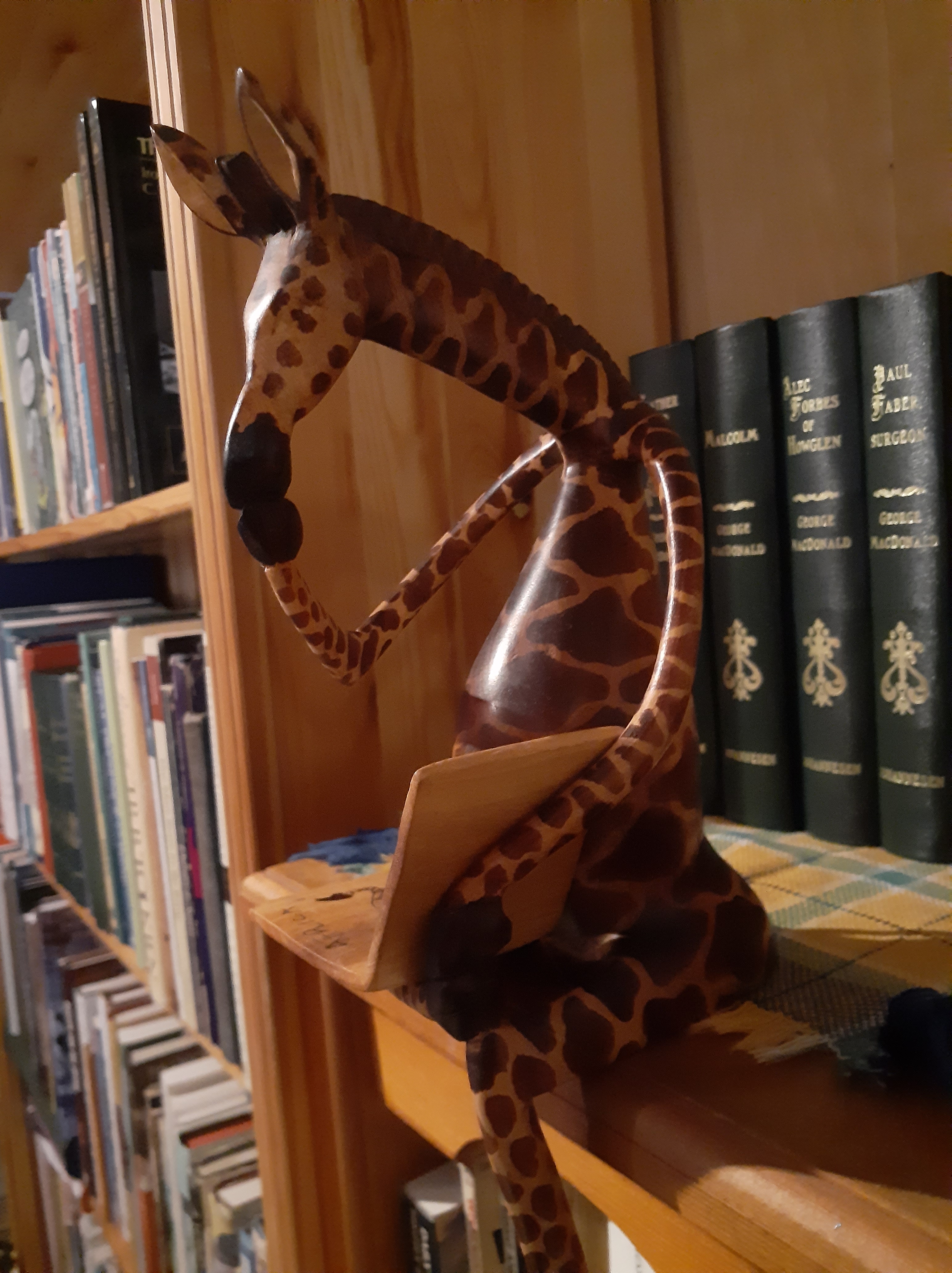 My first online classes worked beautifully. Maybe not quite technologically perfectly but beautifully. I was pretty much dancing with delight! Why did they work so well? The reason: I had a lot of help from my university community and from my son. So much patience and kindness were shown to me. Who knew that so many people could pull together so quickly, so expertly, so cheerfully? And my classes were fun and inspiring. Now my students could see me at home in my study surrounded by my favourite books, even my wooden giraffe from Kenya (a gift from my daughter) reading a book from where he is perched on the bookcase behind my shoulder. I could feel the wonderful presence of my students as they “zoomed in” from various locations in British Columbia and the United States—and our love, yes—as we talked about wonderful literature that has inspired millions, stories that give us so much of what we need to know.
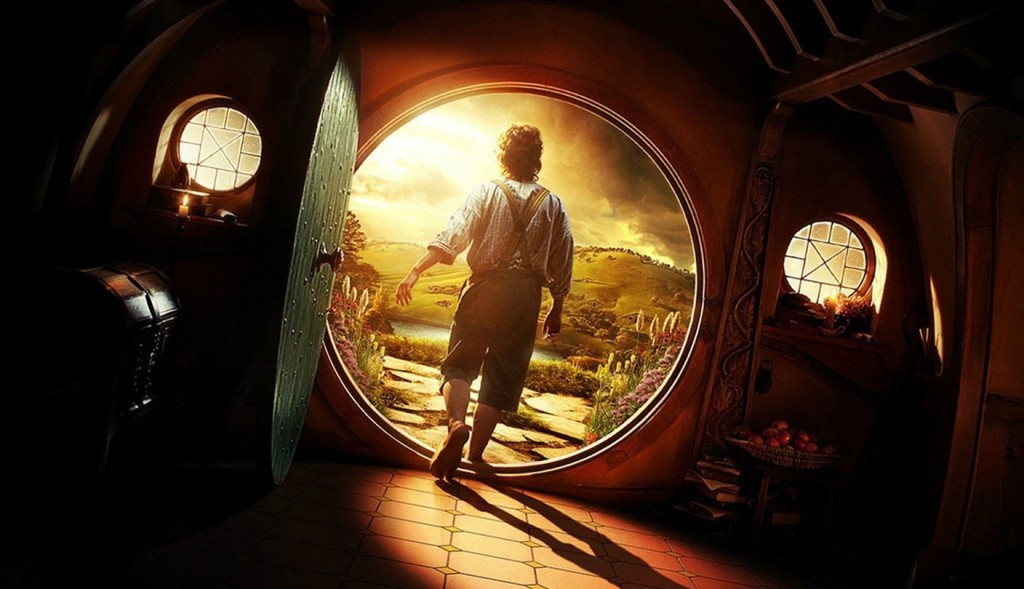
With my first-year students, I talked about J. R. R. Tolkien, his context as a combat soldier in World War I, and how he came to write The Hobbit and The Lord of the Rings as literature of hope in a world at strife. (Thank goodness C. S. Lewis was after his perfectionist friend Tolkien to finish writing his masterpiece!) We listened to a clip from the song “Ain’t No Mountain High Enough”—one I like to remind us of to get the feeling of Bilbo and other hobbits rising to huge challenges with courage. For we are all hobbits, little people facing huge challenges in this world. After the end of World War II, Tolkien wrote of the battle between good and evil: “The War always goes on; and it is no good growing faint!” (June 3, 1945).
I always frame my Hobbit classes with St. Paul’s words from Romans 5:3-4: “we rejoice in our sufferings, knowing that suffering produces endurance, and endurance produces character, and character produces hope.” We talk about how this soul pattern fits Bilbo who goes from being an easily frightened hobbit to becoming the kind of hero who has an important role to play in overcoming evil with good. Bilbo is an unlikely hero and that’s what Tolkien shows we can be and must be. Yes, through much suffering through which Tolkien’s heroes persevere, their characters grow and they experience hope. Hope that is a game-changer. Tolkien’s heroes eventually experience what Jesus our Saviour promised will be one day: “the meek shall inherit the earth” (Matthew 5:5).
My friends, take good care of yourselves and of others. Keep looking for the hope and even joy in the midst of these tough trials. Keep looking for the grace that encourages us to live in hope. We have reason to hope.
P. S. I have more “snapshots of hope” that I plan to send your way.

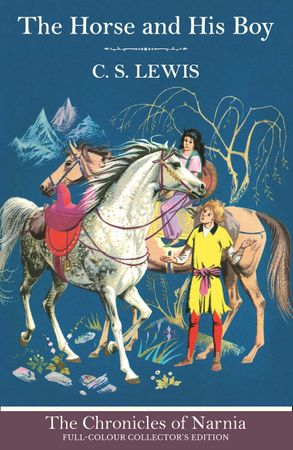 In the fairy tales my mother read to me, the line was “Und wenn sie nicht gestorben sind, dann leben sie noch heute.” Which in English is, “And if they haven’t died, they’re still alive today.” Not exactly the health-wealth gospel fueled by the beauty myth, is it. Do they still have to take out the garbage? Obviously, right? (I once read a critic who actually thought it meant they didn’t.) Do they never fight? Really? Whoever heard of couples who never got annoyed with each other, never disagreed, never fought? I like how Aravis and Cor in C. S. Lewis’s Narnia story The Horse and his Boy are “so used to quarreling and making it up again that they got married so as to go on doing it more conveniently.”

 Yes, this is my cave with a view. From this cave I see the first ten to twenty feet or so of these backyard sentinels, depending on perspective. It is enough. The new deck railing and the old rooftop carrier suspended upside down from the upper deck rafters obscuring a small part of the scene, a legacy from past family camping trips, don’t impede my quiet enjoyment in the least. The vista I cannot see only enhances what I can see. Hold that thought, I say to myself. Why ask for more? There is more, unending more, but does demanding greater vision increase it?
 And here in my cave I take refuge. Refuge: the place of shelter from danger and trouble. The place where we can escape to, find comfort, aid, sanctuary. Like a traffic island, for example, as the Oxford English Dictionary tells us. And people that seek refuge are refugees. I remember that my family members were once refugees fleeing their native Poland at the end of the Second World War. They escaped, finding refuge here, next to the Pacific, where I find myself. Here, in my cave with a view, selecting words to type on my laptop, or scribble in a notebook, I too am a refugee in a haven.
 Here, treasuring the Narnia moment, I recall the photo the same daughter took of me this past Christmas Eve in the magically transformed foyer of our church, Walnut Grove Lutheran. “Sit,” she commands, and I obey, smiling up at her from the bench nestled in amidst the red poinsettias, the brightly lit fir trees planted on the snowy fabric—an annual scene crowned with the shining old-fashioned lamppost. Satisfied with her picture, she declares, “Mom, you’re Lucy Pevensie!” My laughter, me as Lucy, entering and reentering Narnia—how delightful. Me, this aging Lucy, but then again, older and younger all at once, rejoicing in the One Lion King Who ever was and shall be. Therefore who I am and will be is timeless, He says.
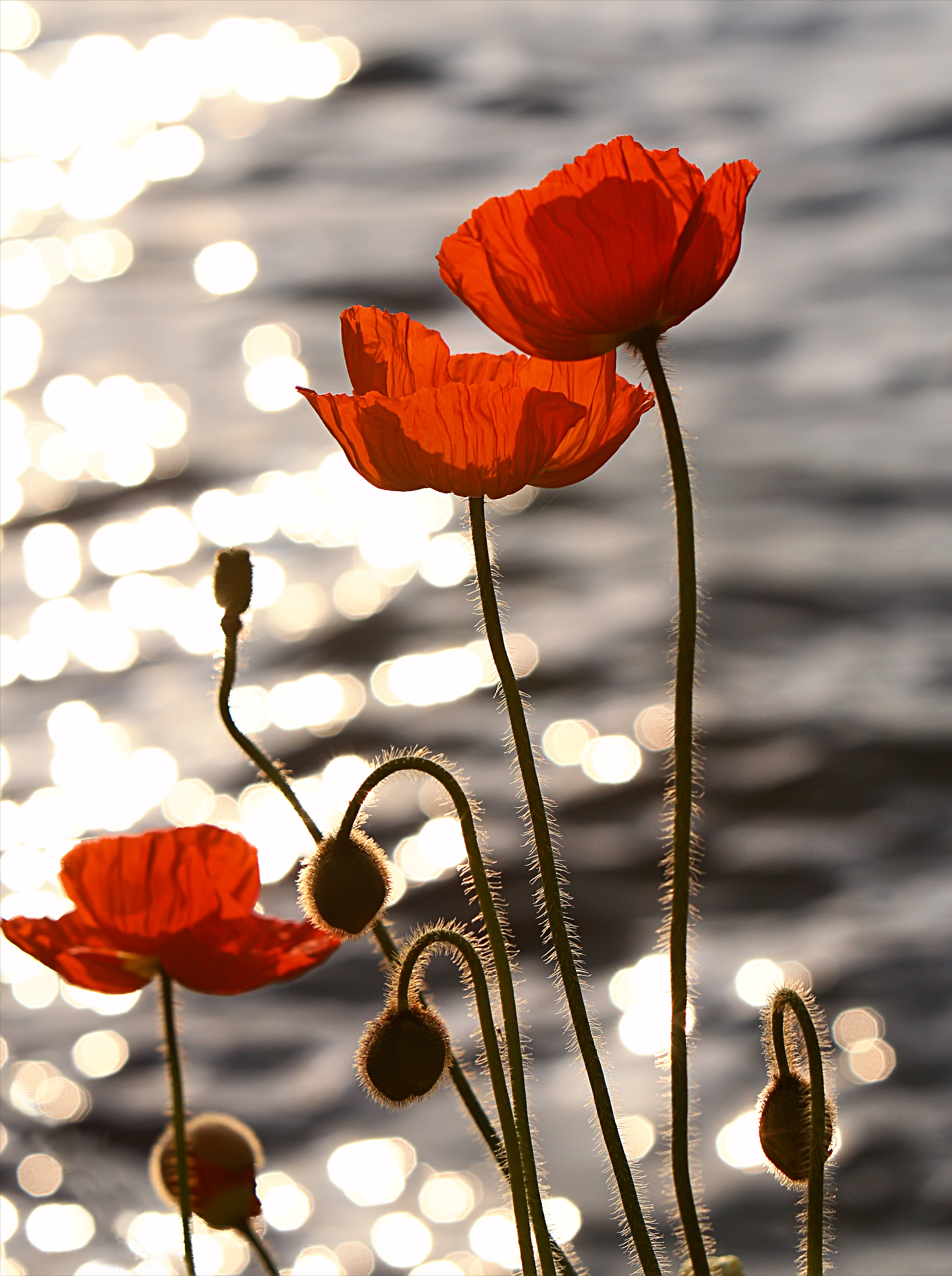
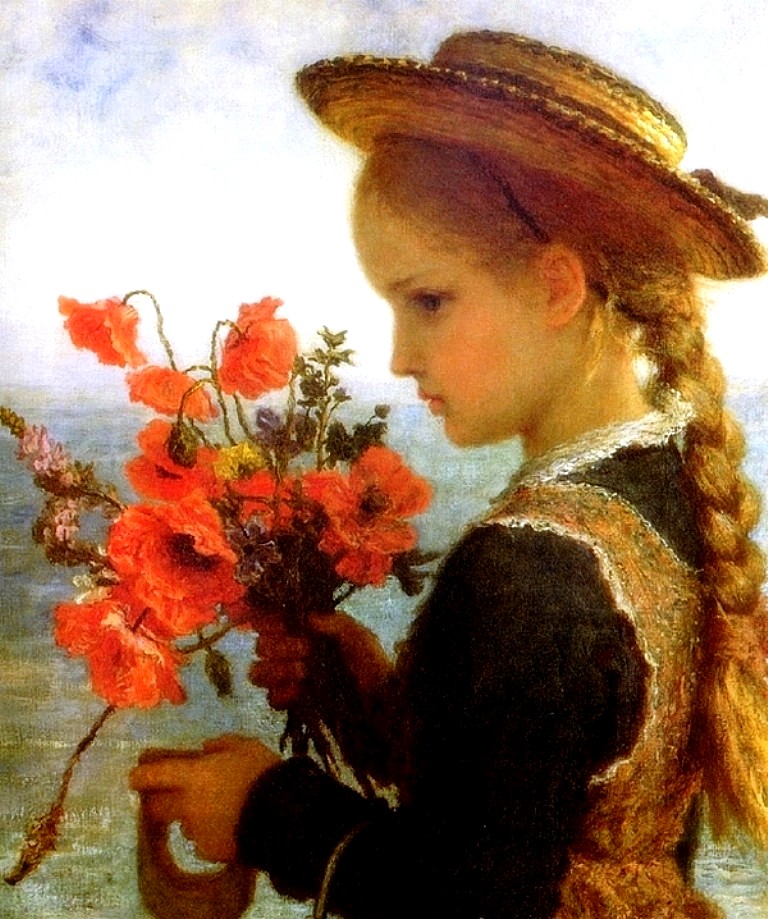 The red poppy has transcended the political lines of division that it began with; it belongs to all—a symbol of our common humanity, frail and wondrous. The poppy aids us in recalling that the year is waning and so our own lives. What are we doing, and why? What is worth remembering about the millions and millions of people in the past? How have they gifted us? Then, again, what about our own lives might be worth remembering by the young and those yet to be born?
 As Aleksandr Solzhenitsyn declared in Gulag Archipelago, “the line dividing good and evil cuts through the heart of every human being.” It would be so simple to separate good and evil by states, classes, and political parties, he said, but instead we need to face the truth: become willing to examine ourselves and uproot the evil within. This is a daily ongoing task. An arduous task. C.S. Lewis also spoke to this in “The Weight of Glory.” There are but two possible eternal destinations for each human soul—eternal glory or damnation—and at every moment of every day our choices move us closer to one or the other. Moreover, “All day long we are, in some degree, helping each other to one or other of these destinations.” So we need to be vigilant about how we “conduct all our dealings with one another, all friendships, all loves, all play, all politics.” The stakes can’t be higher, and like soldiers we need to be on ready alert.
 C.S. Lewis, yes, he’s number one. He’s been my mentor the longest. I grew up on German fairy tales and the Bible; I knew both were true but in different ways, which I later discovered was a fairly special start in life. And so when after a considerable dosage of modernist, depressive literature I at last stumbled into Narnia and then travelled into the cosmic trilogy, the heavens opened for me, set my feet a’ dancing. Lewis’s theological, apologetic, and literary criticism writings taught me much about how to think and write and eventually teach. One of his favourite quotes from Dunbar became mine:
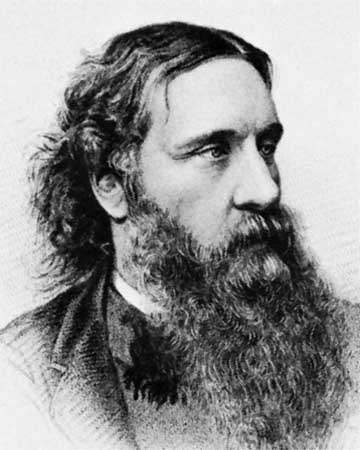 George MacDonald, Lewis’s primary mentor. The more I read this Scotsman—such a pleasure!—the more I realize that Lewis wasn’t exaggerating when he said he’s always quoting him. When I first read The Princess and the Goblin in a university class, the sweet clarity of childlike faith and wonder welled up in me. I felt the invisible thread in my life with greater sureness and followed it from the safety of the known, through dark tunnels, past goblins’ schemes, right up to solid rock blockades. And when I was then tempted to retreat, I recalled how Irene’s thread vanished when she tried the same, and like Irene I kept going, removing one rock at a time, until I discovered victory. A favourite quote: “The child is not meant to die, but to be forever freshborn” (The Princess and Curdie). A favourite book: The Princess and the Goblin
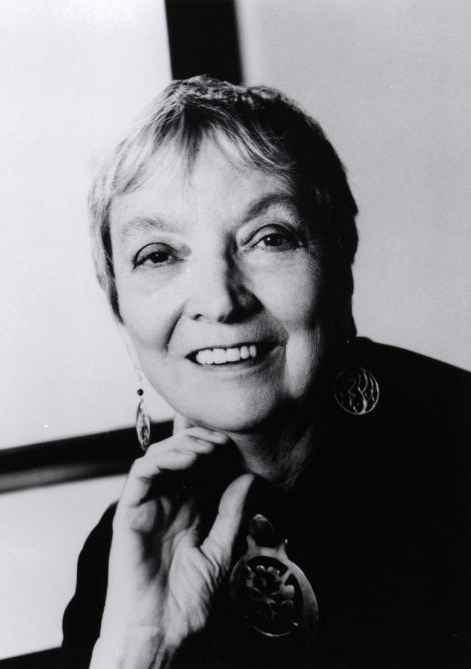 Madeleine L’Engle. The day I discovered that L’Engle and Lewis shared the same top mentor, George MacDonald, it made terrific sense to me because these writers so intimately informed much of my soul. When I came to do my Ph.D. I sat down to figure out why I loved these three so much and that became the focus of my doctoral work, “Educating the Moral Imagination.” I was fortunate to meet Madeleine a couple of times, to be in one of her creative writing classes, and to interview her on the telephone in 2000. I treasure the countless ways in which her writings have inspired me with love, passion, and hope. Madeleine’s chutzpah and her artistry play one beautiful song. A favourite quote: “Believing takes practice” (A Wind in the Door). A favourite book: A Swiftly Tilting Planet
 L.M. Montgomery. This fellow Canadian lady’s writings have blessed my heart with a sense of home. As much as I love my native Pacific Coast and my family’s European origins, part of me belongs to the red soil, the windy shores, and the rural spaces of Prince Edward Island. I’m an islander as sure as Anne-girl, the newcomer, always will be. And with my students, who thrill to the short story “Each in His Own Tongue,” I wish to speak with my own voice, truly, freely, as I ought to speak—for the love of God and humanity. A favourite quote: “See to it that you never make your music the servant of the power of evil—never debase it to unworthy ends. For your responsibility is as your gift, and God will exact the accounting of it from you. Speak to the world in your own tongue through it, with truth and sincerity…” (“Each”). A favourite book: The Blue Castle
 J.R.R. Tolkien. This author’s love of language, pilgrimage, and simple fare speaks to my longing for all things bright and beautiful, great and small, wise and wonderful (to echo the lovely children’s hymn by Cecil Frances Alexander). What British Columbia mountains have I climbed, green lakes canoed, tree mosses admired, waterfalls, rushing rivers, and deep pools prized, without thinking of Tolkien? He’s helped me to see more clearly, listen more closely, climb higher and longer, and sit by the campfire under starlight in yet deeper serenity. Here’s a favourite quote from one of my favourite sections of his epic, The Lord of the Rings: “All we have to decide is what to do with the time that is given us” (The Fellowship of the Ring). One more favourite quote: “Some who have read the book … have found it boring, absurd, or contemptible; and I have no cause to complain, since I have similar complaints of their works, or of the kinds of writing that they evidently prefer” (“Foreword to the Second Edition”). Such courage, such realism—our Tolkien. A favourite short story: “Leaf by Niggle”
 Monika Hilder