

Every autumn some of us might wonder, “Just how did August become September?” Do you ever whisper to yourself, or want to shout, “I’m a summer child in a winter world!”? Probably all of us take stock of what happened over the summer when September arrives—favourite things we could do, good things not done, and the various challenges and sorrows that have come our way. What are we taking with us into this fall season? The sweet along with the sad, always. (“Autumn” does sound so much better than “Fall,” but words can only do so much).
How are we all doing on this “swiftly tilting planet” (as Madeleine L’Engle entitled one of her novels)? How much more perplexity, confusion, unrest, and outright chaos can we take? Will need to take? Do you hear more sirens in your neighbourhood too? (Another siren just went off as I’m writing and is getting louder. And from different sources I’m hearing that the stats on domestic violence and drug use, are up, up, up.) How palpable is the worry, fear, even rage that you encounter? That you struggle with yourself? How are you coping? Maybe let’s just switch the topic. Enough bad news.
The other day I again raked leaves from our big maple tree in the front yard. Large orangey leaves, dry, crackly: beautiful still in their descent onto the driveway, the lawn. What a joy—after something like a week of thick smoke from the wildfires in California, Oregon, and Washington State layering our region, so acrid that you couldn’t open windows—a new afternoon of blue skies and sunshine. A wonder. Thank God for autumn rains! Children playing on scooters in the neighbourhood. Folks going for walks. An older sister pushing the stroller, her mother following. High schoolers traipsing home, talking loudly. Raking leaves is for me a delightful respite from other tasks, tasks also delightful in their different ways.
 A line from Laura Ingalls Wilder rings true: “I am beginning to learn that it is the sweet, simple things in life which are the real ones after all.” And I wonder, in this season of approaching harvest, which sweet, simple, splendid harvest fruits might we notice? Enjoy? Sure, we count what we have lost, and must, but what might we have also gained?
I recall the young mother outside our local grocery store a few weeks ago, quietly coaxing her three young children into a shopping cart. Her voice was gentle, protective, and firm: “No, you’re causing a problem for other people. They don’t want you to come around them.” This mother’s shopping cart solution to the “problem” that the existence of her children pose to some sits with me. An older woman had walked out of her way to avoid this family, looking, it seemed to me, displeased and possibly fearful of catching the infamous virus. Case in point. So much has changed—or is it just that our circumstances only more clearly show our condition? What then is our gain?
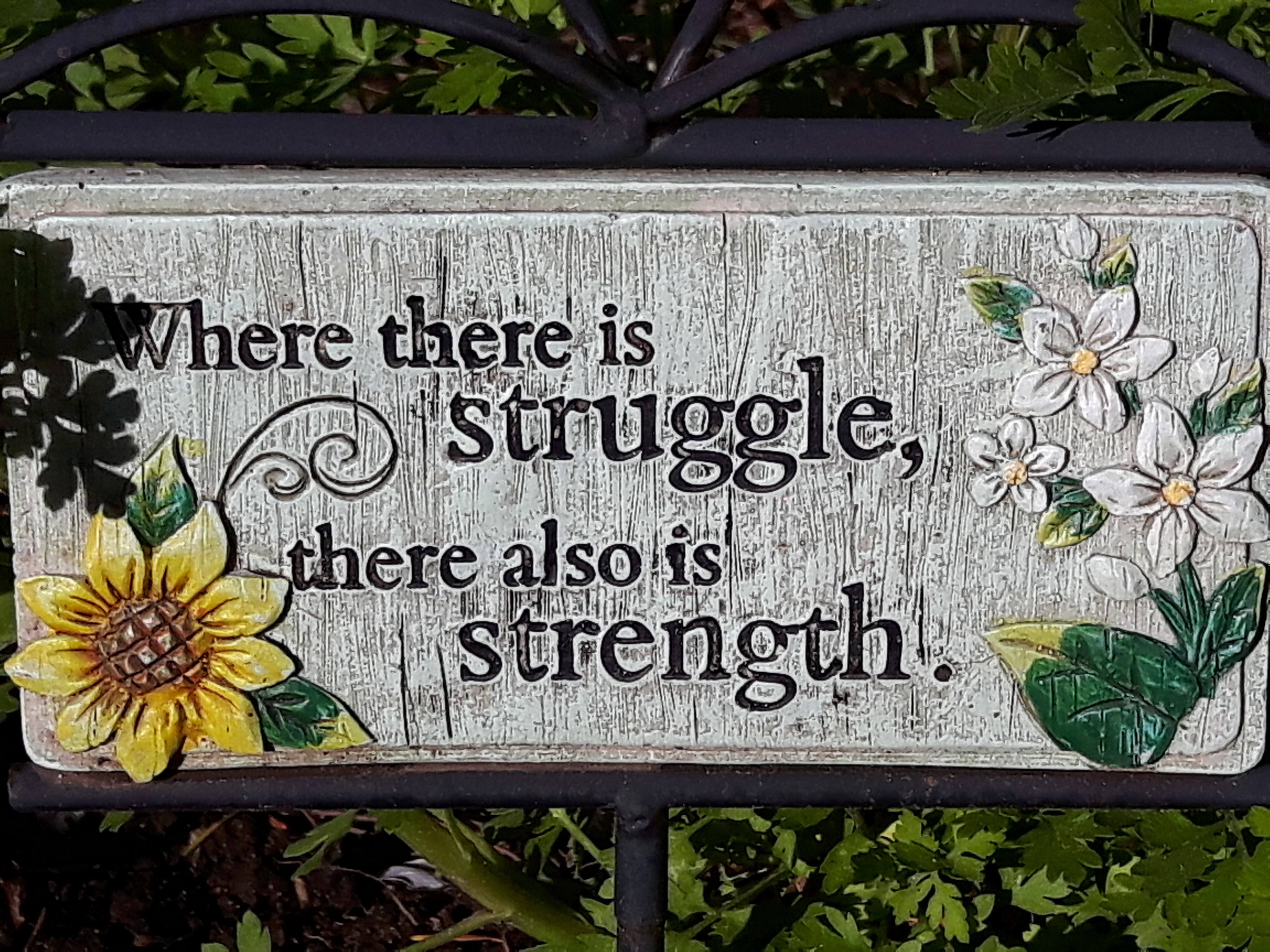
How therefore do we do life in this new season? How do we deal with the little annoyances and the bigger bad news? How do we become and remain resilient, human, in such a time as this? Is it really true that the tough times, lived well, can make you stronger? I’m reminded of this idea by a sign in my herb garden: “Where there is struggle, there also is strength.” Perhaps what we need to do is salute all who have gone before us, many of whom have endured great trials, some beyond our imagining, and pray for similar courage and faith for whatever lies ahead. Perhaps pray for a double portion of their strength since many of us need to exercise muscles we didn’t know we had.
 Meanwhile, as we’ve been wisely told, take one day at a time, one moment at a time. And count the joys, keep counting the joys, as we go.
In my basket of gratitude I see things like
- Gales of laughter over a silly joke (the joke fades from memory but the laughter shared rings on in our hearts);
- Kindness smiling in a passerby’s eyes, all the brighter when so many avoid eye contact altogether;
- The greeting on a closed theater’s sign: “Be calm. Be kind. Be safe.” (so much more compassion in this world than I’d noticed in “normal” times);
- People beginning a professional email with the hope that I am well, followed by another email beginning with gladness to hear that I am well (and exclamation marks in professional emails are, yes, noticeable!);
- Humongous red and white impatiens flowers that spell welcome at a friend’s door;
- Sunday evening home-cooked dinner, with candlelight too yet, experienced even more deeply, with a greater sense of awe that we are alive and together this day;
- Being able to go to church on-line, greeting everybody with a typed phrase or two;
- Chatting and praying over the telephone with a dear friend who lives over 3,000 kilometers away (and just knowing that she made butternut squash soup from scratch the other day warms my heart);
- The cheerful IT fellow patiently helping me use the tools I need when I’m stuck, as often as I ask, ever patient and kind;
- Creating new classroom communities this semester via Zoom technology, all of us giggling when one of us in a region far away says it’s so cold at 26ᵒ Celsius the same day that another of us elsewhere on the continent is cheering that summer has returned at 22ᵒ Celsius!;
- Talking about George MacDonald’s fairy tale “Little Daylight” with my students, experiencing how their somewhat hidden “oh no, another princess-meets-prince fairy tale—so not true!” response changes to “This is different! Cool! Love isn’t about appearance, but. . . .”
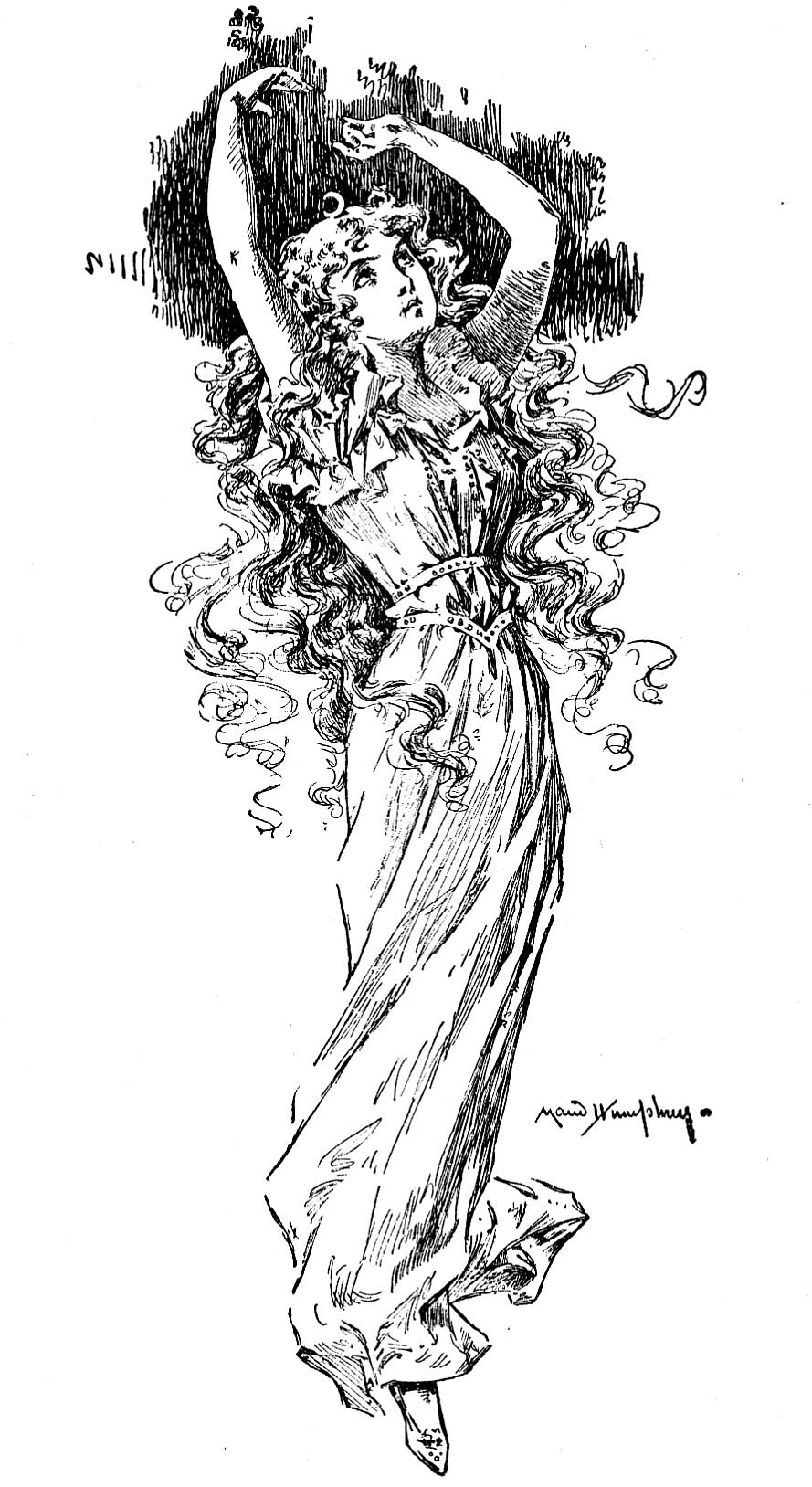 With this basket full of autumn joys, I’m thinking more about how MacDonald’s Princess Daylight, who in spite of the evil spell that was put on her, is “dancing to her own music.” In the end, evil is overcome, as it always is. But here’s the thing: how important it was for Daylight in the long meanwhile of suffering to dance to her own music as much as she could. No, she wasn’t always dancing, but as much as she could dance she did—perseveringly, repeatedly, joyfully. Some days she was just plain too worn and decrepit to dance, and the only thing to do was sleep and, more than that, especially when sleep didn’t come, wait.
MacDonald really got this right. The curse can’t necessarily reach your heart; and we should guard our hearts against its force. But we need to choose to rejoice. No matter what happens to us, we’ve got to celebrate the precious moments of the precious days that we’ve been given. (For how long or short our days, we leave to Heaven.) Keep dancing to our own music through the brief and also the enduring trials. Remember that good always has that miraculous way of bringing even greater good out of evil—and we want to be ready to revel in this greater good when it comes. Meanwhile, we practice: we dance and keep dancing through it all, as best we can. Like Daylight under all the many silvery moonlit nights, we dance when we can.
 This autumn I could pray for a double portion of courage and faith. That’d suit me fine to get it. But right now maybe I’ll just ask for an outbreak of sanity in my own heart, in this hour, on this day. Start where I am. Maybe that’s how to get ready to receive more courage, more faith. And when I can, which is most likely oftener than I suppose, I’ll dance to my own music, celebrating all things bright and beautiful.
P.S. My music? Well, actually, if it’s anything like half right, it’ll be my way of dancing to that Great-Music-Like-No-Other which heals the world—not really mine to tell the truth, but also mine when I make it so.
P.P.S. My friends, let’s revel in the blessings.
(One more tinier P.P.S. Did you spot my paraphrase of a line from Milton’s Paradise Lost?

 Sorrows’ Doors—the portal to deepest truth, deepest joy? What thresholds must I overcome to agree with MacDonald? Suffering, sorrow—this we try to avoid, at all cost, do we not? But that Sorrow is the very doorway I must pass through in order to enter Joy? And therefore should I succeed in avoiding it, or rather ignoring it, I would miss what I most long for? Is the Victorian author right to insist, “As in all sweetest music, a tinge of sadness was in every note. Nor do we know how much of the pleasures even of life we owe to the intermingled sorrows”?




 My faculty administrative coordinator cheerfully helps me via email even late at night and first thing in the morning.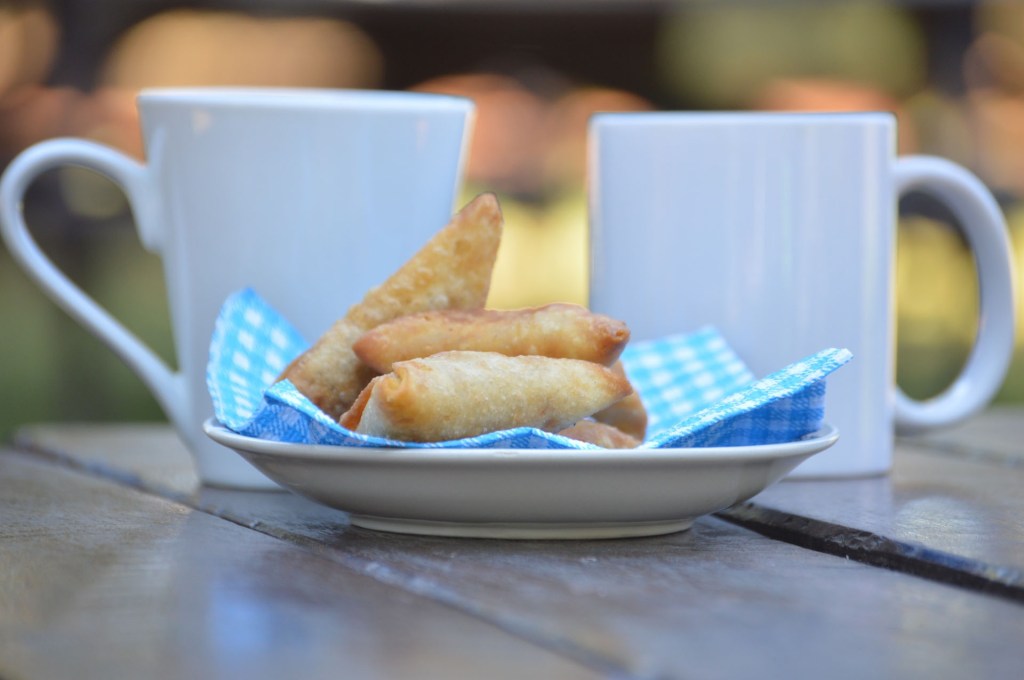
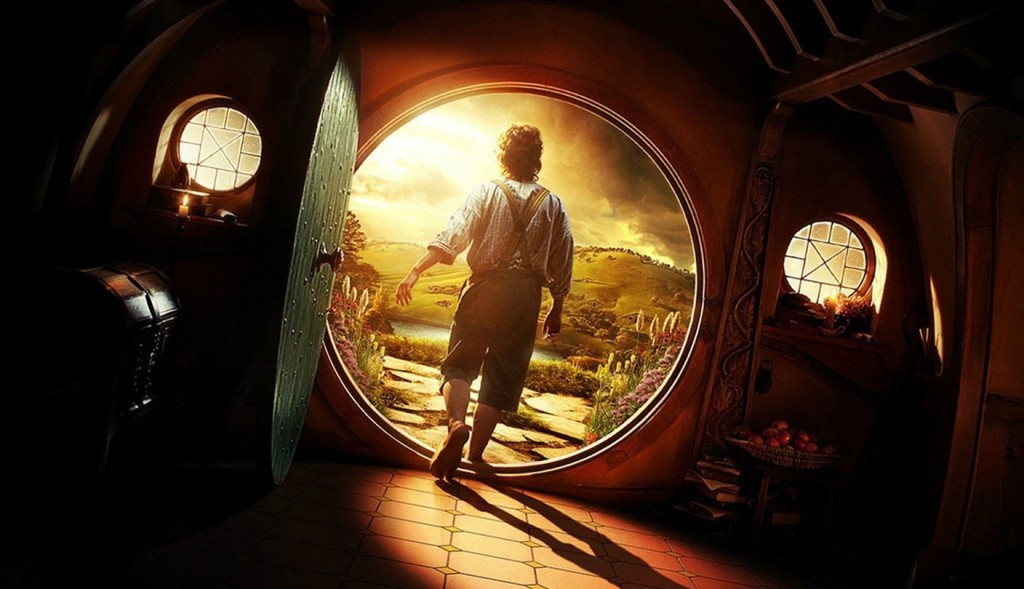
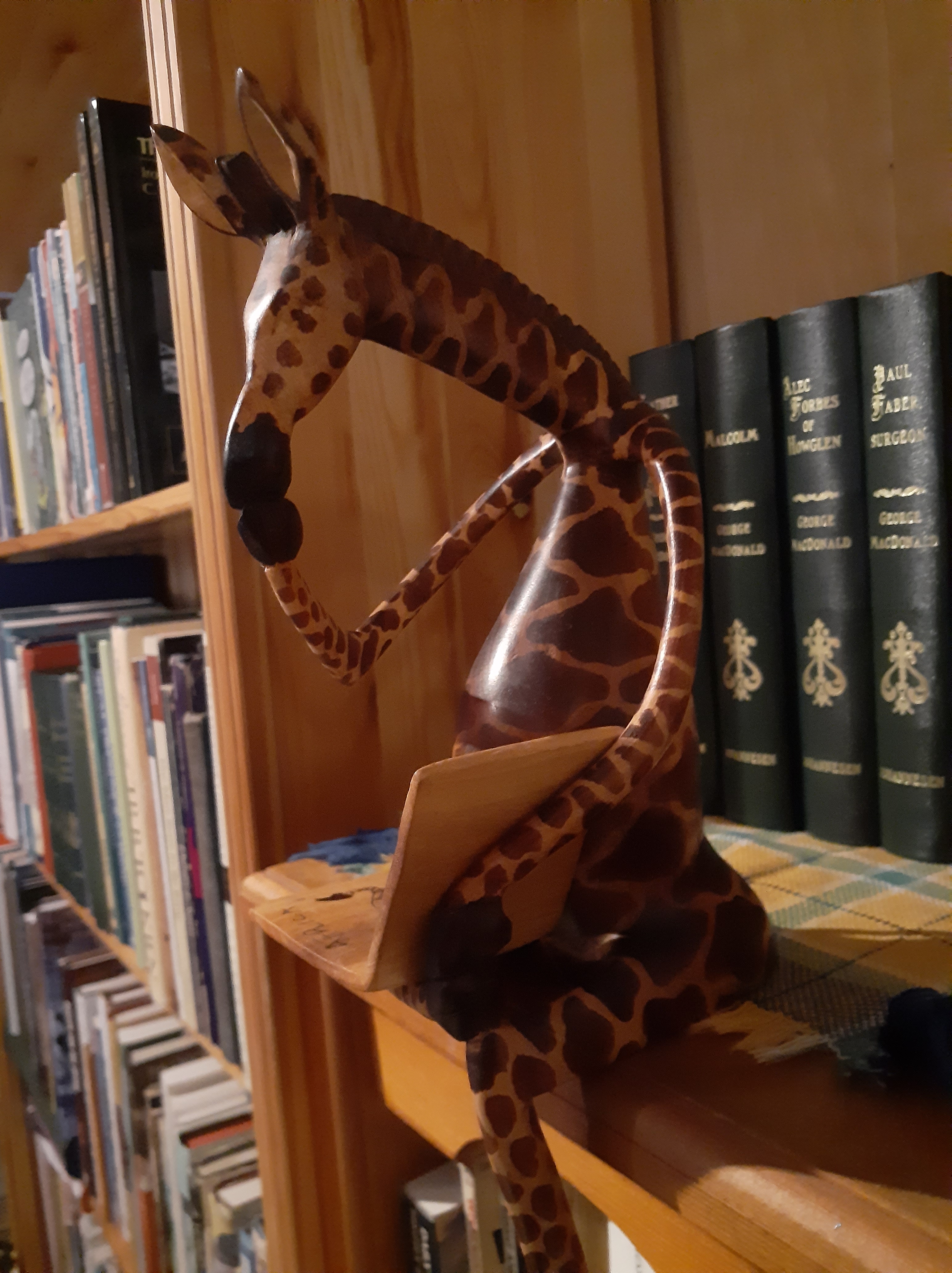 My first online classes worked beautifully. Maybe not quite technologically perfectly but beautifully. I was pretty much dancing with delight! Why did they work so well? The reason: I had a lot of help from my university community and from my son. So much patience and kindness were shown to me. Who knew that so many people could pull together so quickly, so expertly, so cheerfully? And my classes were fun and inspiring. Now my students could see me at home in my study surrounded by my favourite books, even my wooden giraffe from Kenya (a gift from my daughter) reading a book from where he is perched on the bookcase behind my shoulder. I could feel the wonderful presence of my students as they “zoomed in” from various locations in British Columbia and the United States—and our love, yes—as we talked about wonderful literature that has inspired millions, stories that give us so much of what we need to know.
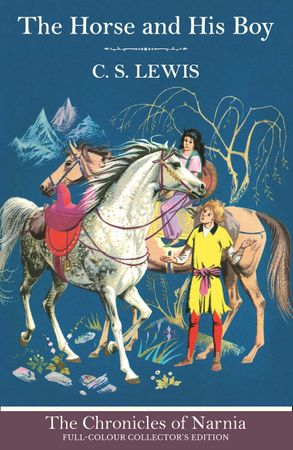 In the fairy tales my mother read to me, the line was “Und wenn sie nicht gestorben sind, dann leben sie noch heute.” Which in English is, “And if they haven’t died, they’re still alive today.” Not exactly the health-wealth gospel fueled by the beauty myth, is it. Do they still have to take out the garbage? Obviously, right? (I once read a critic who actually thought it meant they didn’t.) Do they never fight? Really? Whoever heard of couples who never got annoyed with each other, never disagreed, never fought? I like how Aravis and Cor in C. S. Lewis’s Narnia story The Horse and his Boy are “so used to quarreling and making it up again that they got married so as to go on doing it more conveniently.”

 Yes, this is my cave with a view. From this cave I see the first ten to twenty feet or so of these backyard sentinels, depending on perspective. It is enough. The new deck railing and the old rooftop carrier suspended upside down from the upper deck rafters obscuring a small part of the scene, a legacy from past family camping trips, don’t impede my quiet enjoyment in the least. The vista I cannot see only enhances what I can see. Hold that thought, I say to myself. Why ask for more? There is more, unending more, but does demanding greater vision increase it?
 And here in my cave I take refuge. Refuge: the place of shelter from danger and trouble. The place where we can escape to, find comfort, aid, sanctuary. Like a traffic island, for example, as the Oxford English Dictionary tells us. And people that seek refuge are refugees. I remember that my family members were once refugees fleeing their native Poland at the end of the Second World War. They escaped, finding refuge here, next to the Pacific, where I find myself. Here, in my cave with a view, selecting words to type on my laptop, or scribble in a notebook, I too am a refugee in a haven.
 Here, treasuring the Narnia moment, I recall the photo the same daughter took of me this past Christmas Eve in the magically transformed foyer of our church, Walnut Grove Lutheran. “Sit,” she commands, and I obey, smiling up at her from the bench nestled in amidst the red poinsettias, the brightly lit fir trees planted on the snowy fabric—an annual scene crowned with the shining old-fashioned lamppost. Satisfied with her picture, she declares, “Mom, you’re Lucy Pevensie!” My laughter, me as Lucy, entering and reentering Narnia—how delightful. Me, this aging Lucy, but then again, older and younger all at once, rejoicing in the One Lion King Who ever was and shall be. Therefore who I am and will be is timeless, He says.
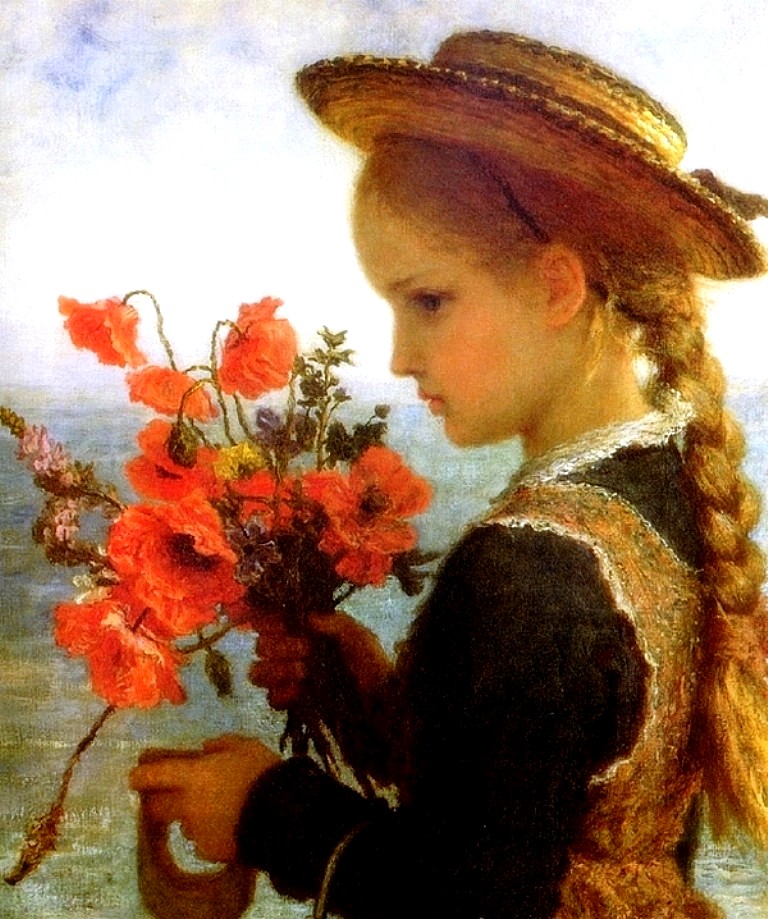 The red poppy has transcended the political lines of division that it began with; it belongs to all—a symbol of our common humanity, frail and wondrous. The poppy aids us in recalling that the year is waning and so our own lives. What are we doing, and why? What is worth remembering about the millions and millions of people in the past? How have they gifted us? Then, again, what about our own lives might be worth remembering by the young and those yet to be born?
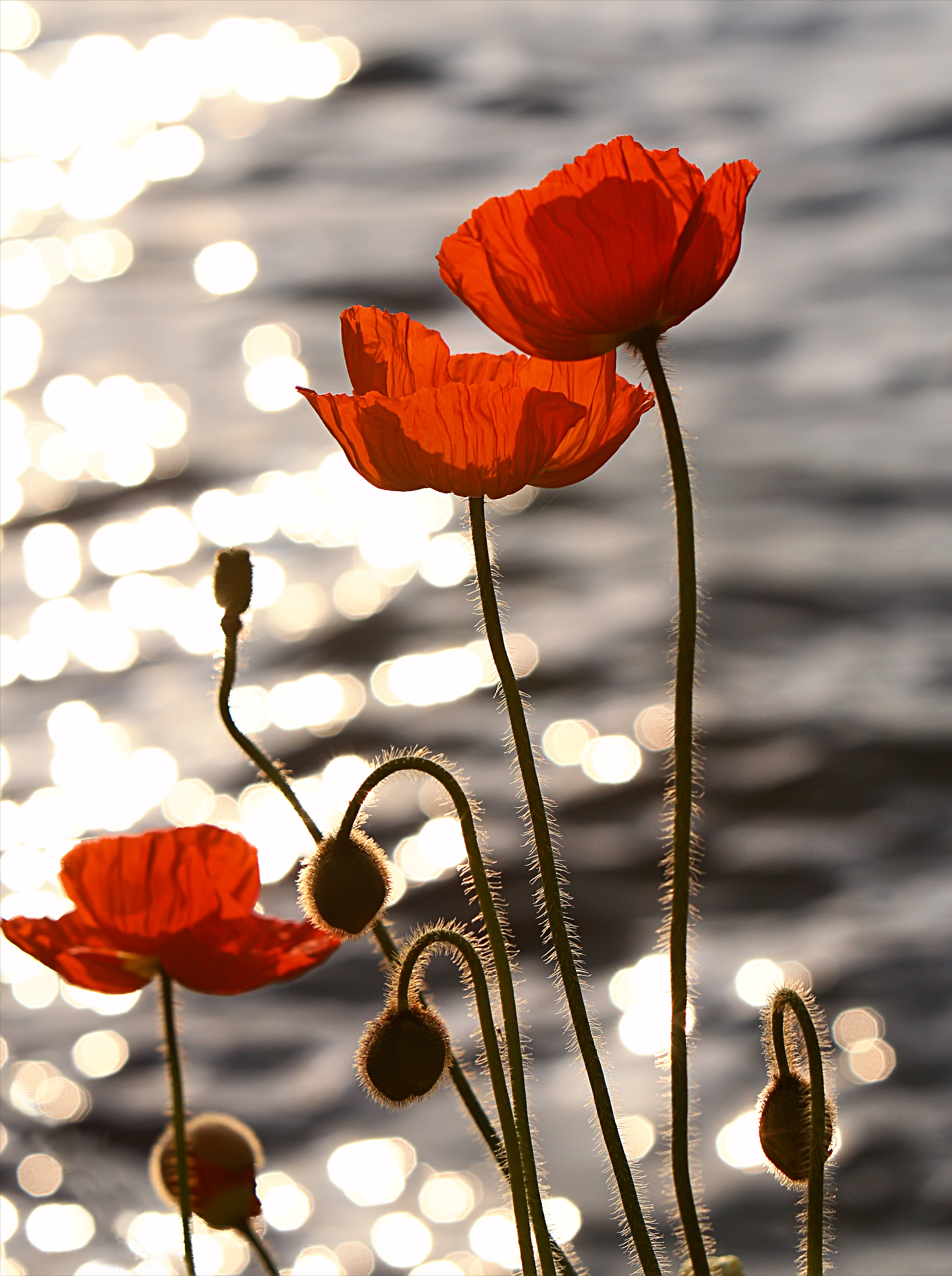 As Aleksandr Solzhenitsyn declared in Gulag Archipelago, “the line dividing good and evil cuts through the heart of every human being.” It would be so simple to separate good and evil by states, classes, and political parties, he said, but instead we need to face the truth: become willing to examine ourselves and uproot the evil within. This is a daily ongoing task. An arduous task. C.S. Lewis also spoke to this in “The Weight of Glory.” There are but two possible eternal destinations for each human soul—eternal glory or damnation—and at every moment of every day our choices move us closer to one or the other. Moreover, “All day long we are, in some degree, helping each other to one or other of these destinations.” So we need to be vigilant about how we “conduct all our dealings with one another, all friendships, all loves, all play, all politics.” The stakes can’t be higher, and like soldiers we need to be on ready alert.
 C.S. Lewis, yes, he’s number one. He’s been my mentor the longest. I grew up on German fairy tales and the Bible; I knew both were true but in different ways, which I later discovered was a fairly special start in life. And so when after a considerable dosage of modernist, depressive literature I at last stumbled into Narnia and then travelled into the cosmic trilogy, the heavens opened for me, set my feet a’ dancing. Lewis’s theological, apologetic, and literary criticism writings taught me much about how to think and write and eventually teach. One of his favourite quotes from Dunbar became mine:
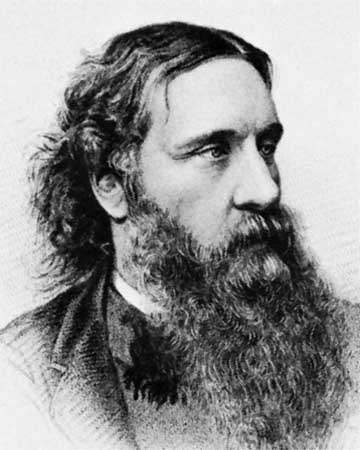 George MacDonald, Lewis’s primary mentor. The more I read this Scotsman—such a pleasure!—the more I realize that Lewis wasn’t exaggerating when he said he’s always quoting him. When I first read The Princess and the Goblin in a university class, the sweet clarity of childlike faith and wonder welled up in me. I felt the invisible thread in my life with greater sureness and followed it from the safety of the known, through dark tunnels, past goblins’ schemes, right up to solid rock blockades. And when I was then tempted to retreat, I recalled how Irene’s thread vanished when she tried the same, and like Irene I kept going, removing one rock at a time, until I discovered victory. A favourite quote: “The child is not meant to die, but to be forever freshborn” (The Princess and Curdie). A favourite book: The Princess and the Goblin
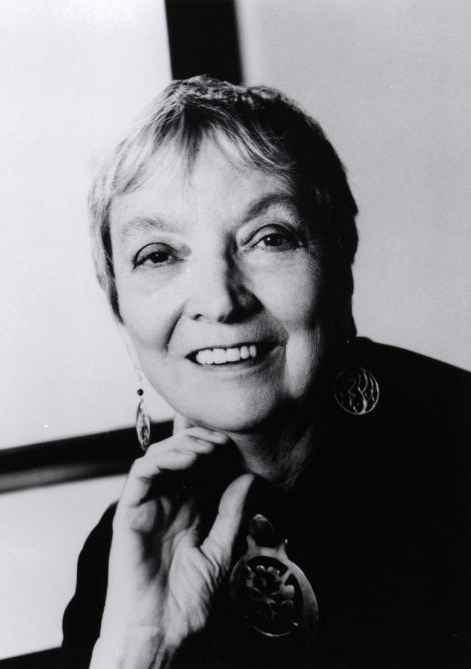 Madeleine L’Engle. The day I discovered that L’Engle and Lewis shared the same top mentor, George MacDonald, it made terrific sense to me because these writers so intimately informed much of my soul. When I came to do my Ph.D. I sat down to figure out why I loved these three so much and that became the focus of my doctoral work, “Educating the Moral Imagination.” I was fortunate to meet Madeleine a couple of times, to be in one of her creative writing classes, and to interview her on the telephone in 2000. I treasure the countless ways in which her writings have inspired me with love, passion, and hope. Madeleine’s chutzpah and her artistry play one beautiful song. A favourite quote: “Believing takes practice” (A Wind in the Door). A favourite book: A Swiftly Tilting Planet
 L.M. Montgomery. This fellow Canadian lady’s writings have blessed my heart with a sense of home. As much as I love my native Pacific Coast and my family’s European origins, part of me belongs to the red soil, the windy shores, and the rural spaces of Prince Edward Island. I’m an islander as sure as Anne-girl, the newcomer, always will be. And with my students, who thrill to the short story “Each in His Own Tongue,” I wish to speak with my own voice, truly, freely, as I ought to speak—for the love of God and humanity. A favourite quote: “See to it that you never make your music the servant of the power of evil—never debase it to unworthy ends. For your responsibility is as your gift, and God will exact the accounting of it from you. Speak to the world in your own tongue through it, with truth and sincerity…” (“Each”). A favourite book: The Blue Castle
 J.R.R. Tolkien. This author’s love of language, pilgrimage, and simple fare speaks to my longing for all things bright and beautiful, great and small, wise and wonderful (to echo the lovely children’s hymn by Cecil Frances Alexander). What British Columbia mountains have I climbed, green lakes canoed, tree mosses admired, waterfalls, rushing rivers, and deep pools prized, without thinking of Tolkien? He’s helped me to see more clearly, listen more closely, climb higher and longer, and sit by the campfire under starlight in yet deeper serenity. Here’s a favourite quote from one of my favourite sections of his epic, The Lord of the Rings: “All we have to decide is what to do with the time that is given us” (The Fellowship of the Ring). One more favourite quote: “Some who have read the book … have found it boring, absurd, or contemptible; and I have no cause to complain, since I have similar complaints of their works, or of the kinds of writing that they evidently prefer” (“Foreword to the Second Edition”). Such courage, such realism—our Tolkien. A favourite short story: “Leaf by Niggle”
